








Top-Top Info Worldwide is a popular online newsportal and going source for technical and digital content for its influential audience around the globe.


Budweiser, a classic American beer known for its amber and refreshing taste, is arguably the most famous brand of beer in the world. Introduced to the United States by Anheuser Busch in the mid-1800s after the founder observed popular beer brewing techniques in Europe, Budweiser has since become the best-selling beer in over 80 markets worldwide. However, due to ongoing legal disputes with Czech beer brand Budejovicky Budvar, the company is unable to use the Budweiser name in various markets in Europe, as reported by Time magazine.

Asia, a continent known for its vibrant cultures and rich histories, also boasts an unparalleled street food scene. Each country offers unique flavours and dishes, reflecting centuries of tradition and culinary innovation. From bustling night markets to quiet street corners, the aromas and tastes of Asian street food create an unforgettable experience for locals and travellers alike. In this article, we embark on a culinary journey to explore the top 10 street foods you absolutely can't miss in Asia.

Tea, a simple infusion of leaves and water, has woven its way through centuries, cultures, and continents to emerge as a beverage of universal appeal. From the serene tea ceremonies of Japan to the bustling tea rooms of London, this ancient drink encapsulates a world of traditions, flavours, and aromas.
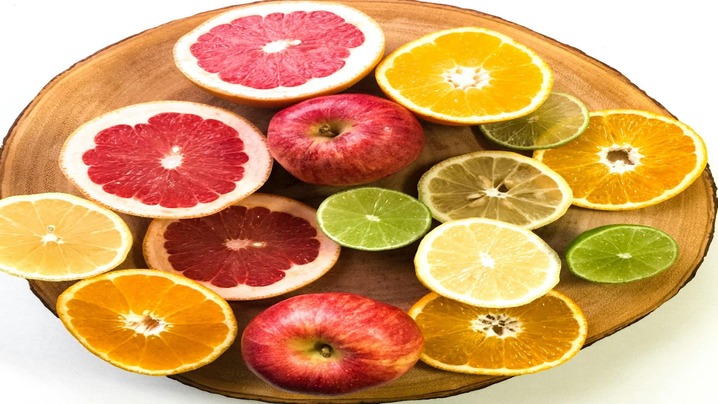
No food can switch the immune system into an invincible “boosted” state. Immunity is a network of physical barriers, cells, organs, and chemical signals, and it needs adequate energy and nutrients to work normally. A varied eating pattern can help prevent deficiencies that impair that work. It cannot guarantee that you will avoid an infection, replace vaccination, or substitute for medical treatment.
The practical goal is not to chase one superfood. It is to eat a range of nutrient-dense foods regularly. Fruits and vegetables contribute vitamins, minerals, fiber, and many plant compounds. Beans, lentils, seafood, eggs, poultry, lean meat, dairy foods, nuts, seeds, and whole grains provide different combinations of protein and micronutrients. Variety matters because immune cells depend on many nutrients at once.
Vitamin C supports normal immune function and helps the body make collagen. Citrus fruit is useful, but it is only one option. Bell peppers, kiwifruit, strawberries, broccoli, tomatoes, and potatoes can also contribute substantial amounts. Regular vitamin C supplementation may modestly shorten a cold for some people, according to NIH summaries, but taking it only after symptoms begin is not a reliable cure.
Vitamin A helps maintain tissues that form barriers between the body and the outside environment. Eggs, dairy products, fish, and liver contain preformed vitamin A. Leafy greens and orange or yellow produce supply carotenoids that the body can convert to vitamin A. Liver and high-dose supplements can provide excessive amounts, so more is not automatically better—especially during pregnancy.
Vitamin D participates in immune regulation, but few foods naturally contain much. Fatty fish and egg yolks provide some, while milk and other products may be fortified. Sun exposure also affects vitamin D status, but it varies by skin, season, latitude, clothing, and sunscreen use. People concerned about deficiency should discuss testing and an appropriate dose with a clinician rather than self-prescribing very large amounts.
Zinc is found in meat, shellfish, dairy foods, beans, nuts, and whole grains. Selenium sources include seafood, meat, poultry, eggs, dairy foods, and grains. Protein supplies amino acids needed throughout the body, including by immune tissues. A plate that combines beans or another protein with vegetables and a whole grain covers more nutritional ground than a supplement centered on one nutrient.
Fiber-rich foods feed communities of microbes in the digestive tract. Whole grains, beans, vegetables, fruit, nuts, and seeds are reliable sources. Fermented foods such as yogurt can contain live cultures, but products differ and broad claims about “resetting” immunity exceed the evidence. People with serious illness or weakened immunity should ask a clinician before using probiotic supplements.
A supplement can correct an identified deficiency or help someone meet needs when diet alone is insufficient. In people without a deficiency, routinely taking extra vitamins and minerals generally does not prevent infections or make recovery faster. High doses can cause harm or interact with medicines. Zinc, selenium, and vitamins A and D all have upper limits or toxicity concerns.
Food supports the immune system by meeting ordinary biological needs consistently. That message is less dramatic than a miracle ingredient, but it is more accurate—and far more useful.
Sources: NIH Office of Dietary Supplements; Dietary Guidelines for Americans; World Health Organization; U.S. Centers for Disease Control and Prevention.

A useful quick-meal plan is not a collection of rigid recipes. It is a set of templates that combine a protein, produce, a filling carbohydrate and strong flavor with ingredients already available. Keeping canned beans, eggs, frozen vegetables, whole grains, yogurt, tinned fish and a few sauces on hand makes these meals possible without relying on expensive specialty products. Times vary by equipment and knife skills, but each idea can usually be assembled in about 10 to 20 minutes when the core ingredients are ready.
Cook one versatile base, such as a pot of grains or a tray of vegetables, rather than preparing complete identical meals. Wash produce, mix a dressing and portion snacks when time is available. Frozen vegetables are especially practical because they are already cleaned and cut, and canned foods can be drained and rinsed. Read labels if sodium or added sugar is a concern.
Food safety still applies when speed is the goal. Refrigerate perishable leftovers within two hours, or within one hour when the surrounding temperature exceeds 90°F. Use shallow containers so food cools quickly. USDA guidance recommends eating refrigerated leftovers within three to four days and reheating leftovers to 165°F. A thermometer is more reliable than appearance, smell or steam alone.
To make any template satisfying, adjust portions to appetite and include contrast: something fresh with something warm, or something crisp with something creamy. The point is not culinary perfection. It is a repeatable way to turn ordinary staples into a balanced meal before takeout becomes the only apparent option.
Sources: World Health Organization: Healthy diet; USDA MyPlate; USDA FSIS: Leftovers and food safety; MyPlate: Planning with leftovers.
Top-Top Info Worldwide is a popular online newsportal and going source for technical and digital content for its influential audience around the globe.