
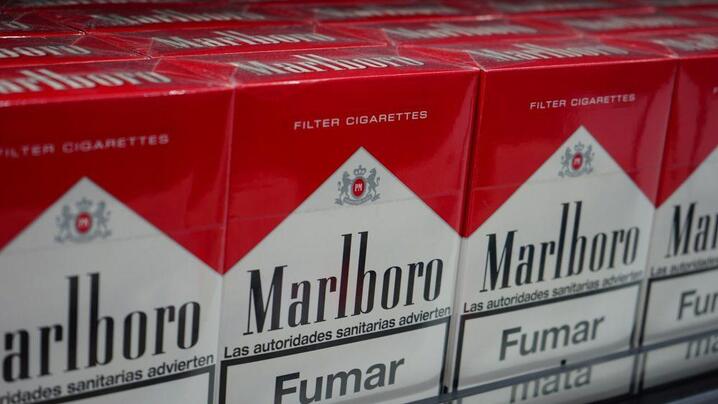
Cigarette brands once competed through glamorous magazine advertisements, sports sponsorships, film placement, collectible packaging, and characters designed to create emotional associations with smoking. That history matters because tobacco marketing did more than distinguish one product from another: it helped normalize a product that causes addiction, disease, and premature death.
Branding turned cigarettes into identities
During the twentieth century, advertisers attached cigarettes to ideas such as independence, masculinity, sophistication, slimness, adventure, and social success. Packaging colors and symbols became especially important as restrictions reduced the places where conventional advertisements could appear.
This strategy worked because a brand can influence expectations even when competing products deliver the same addictive drug: nicotine. Marketing also helped tobacco companies segment audiences by age, gender, lifestyle, and price sensitivity.
Why rankings can become promotion
A “most popular cigarette brands” list may appear informational, but prominent logos, positive descriptions, buying guidance, and lifestyle imagery can function as advertising. Popularity is not evidence of safety or quality, and presenting tobacco brands as aspirational products can undermine public-health information.
For that reason, this page does not rank brands or recommend products. Its purpose is to explain the role of branding and the policies developed to limit tobacco promotion.
Advertising restrictions expanded
The World Health Organization’s Framework Convention on Tobacco Control calls for comprehensive restrictions on tobacco advertising, promotion, and sponsorship. Countries have adopted different combinations of broadcast bans, sponsorship restrictions, health warnings, retail-display controls, age rules, and digital-marketing limits.
Partial bans can leave loopholes. When television advertising is prohibited, promotion may shift toward retail displays, events, social media, influencer-style content, or packaging. Public-health agencies therefore emphasize broad rules that cover both direct advertisements and less obvious forms of promotion.
Plain packaging reduces the package’s advertising role
Standardized or plain-packaging rules limit brand colors, typefaces, and decorative design while giving more space to health warnings. The objective is not to claim that packaging alone ends smoking. It is to reduce the pack’s ability to operate as a portable advertisement and to prevent design from distracting from risk information.
Health risk is the central fact
Combustible cigarettes expose users and nearby people to toxic chemicals. Smoking is associated with cancer, cardiovascular disease, chronic lung disease, reproductive harm, and many other health problems. Nicotine is addictive, which can make quitting difficult even for people who understand the risks.
No brand ranking changes those facts. Terms, colors, filters, or package designs should not be interpreted as evidence that one conventional cigarette is safe.
A more responsible way to cover tobacco
Public-interest reporting should focus on health evidence, industry history, regulation, cessation resources, youth protection, and the methods used to market addictive products. It should avoid product endorsements and avoid presenting smoking as fashionable, rebellious, or socially desirable.
People who smoke and want to stop can seek evidence-based help from a healthcare professional or an official quit-smoking service in their country.
Sources: World Health Organization Framework Convention on Tobacco Control, WHO guidance on tobacco advertising, promotion and sponsorship, U.S. Centers for Disease Control and Prevention: health effects of smoking