
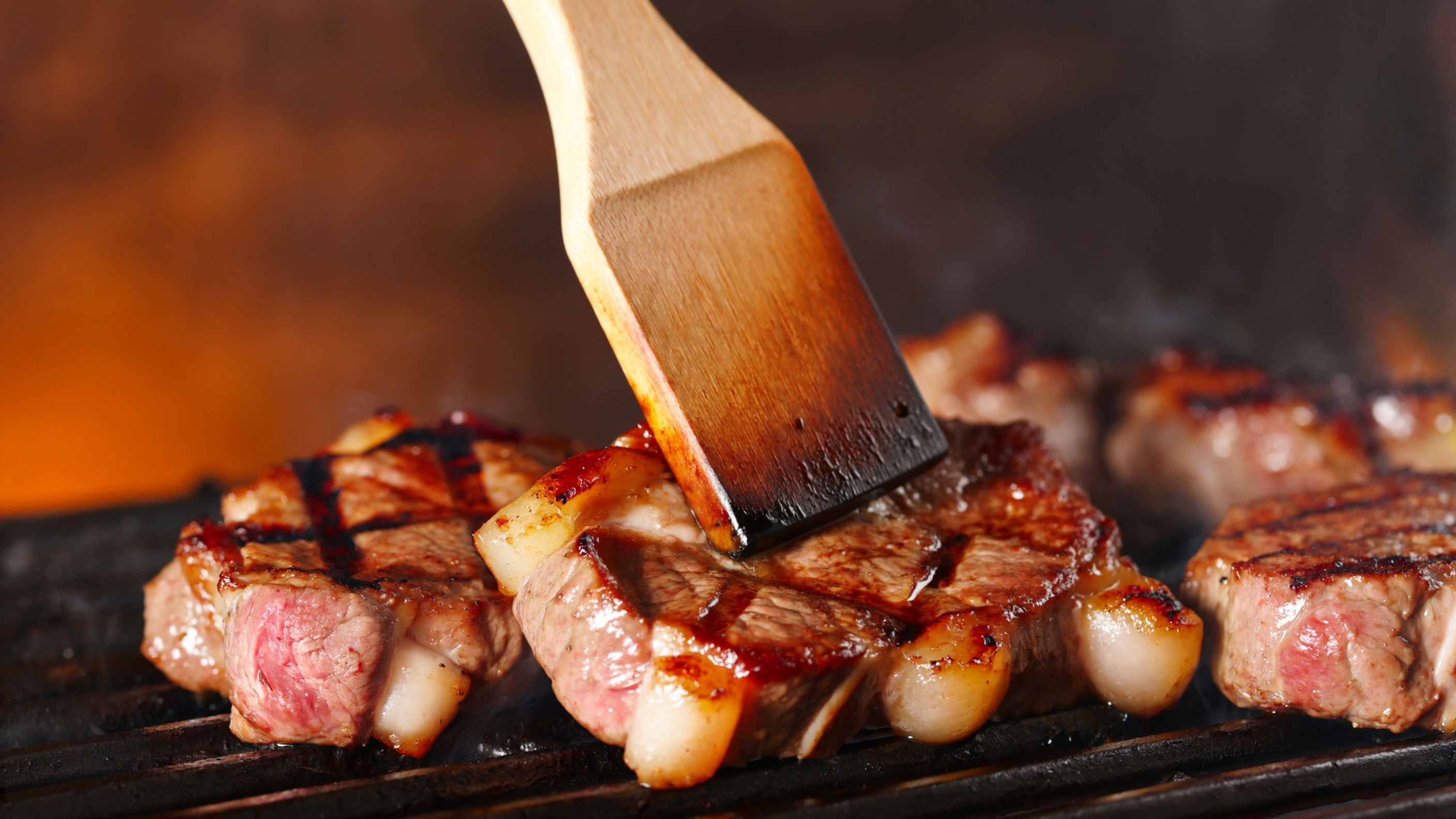
When people think of Georgian cuisine, heavy hitters like cheese-filled khachapuri or juicy khinkali dumplings usually come to mind. However, there is another culinary masterpiece that sits at the very heart of Georgia’s food culture: mtsvadi. This is the traditional Georgian version of shashlik, and to Georgians, it is far more than just grilled meat. It is a sacred ritual, a symbol of hospitality, and a celebration of sensory simplicity that has been perfected over centuries.
The Philosophy of Simplicity
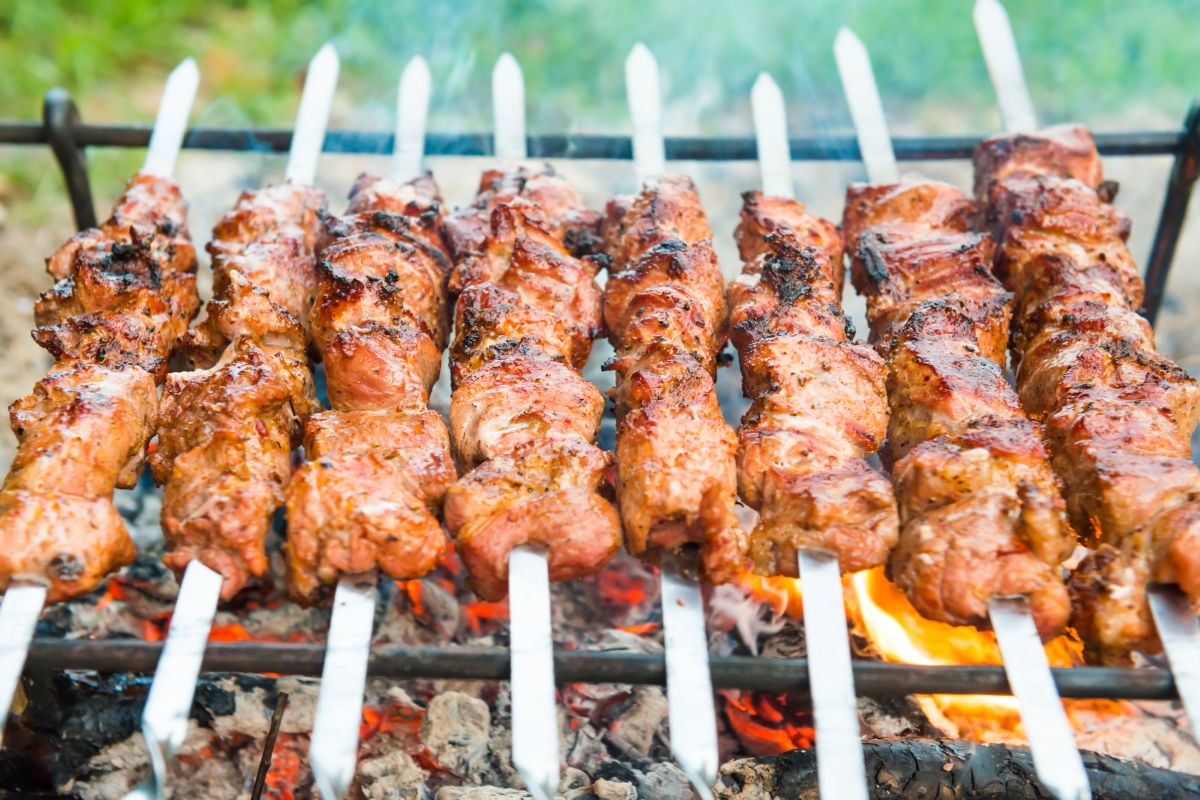
Unlike many modern barbecue styles that rely on complex, overnight marinades packed with vinegar, yogurt, or heavy spices, traditional Georgian mtsvadi champions the natural flavor of the meat. The ultimate golden rule of Georgian shashlik is freshness and simplicity.
High-quality pork (the most popular choice), beef, or lamb is cut into generous, thick chunks. Georgians believe that heavy marinades are only necessary to mask poor-quality or tough meat. For an authentic mtsvadi, the meat is traditionally seasoned with nothing more than coarse salt, and occasionally fresh onions, just before hitting the fire. This minimalist approach allows the natural juices and the clean, rich flavor of the meat to take center stage.
The Secret Weapon: Grapevine Wood
What truly elevates Georgian shashlik above standard kebabs is the cooking process, specifically the fuel source. Authentic mtsvadi is never grilled over commercial charcoal or generic firewood. Instead, it is cooked over "წნელი" (tsneli)—dried grapevine wood.
Grapevine wood burns intensely hot, creating a powerful, even heat that quickly sears the outside of the meat, trapping all the delicious juices inside. As the fat drips onto the glowing embers, the burning grapevine releases a distinct, sweet, and aromatic smoke. This smoke infuses the meat with a subtle, fruity undertone that cannot be replicated by any other wood in the world.
The meat is impaled on heavy metal skewers called shampuri and spun carefully over the open flame. While grilling, the pitmaster might splash the meat with a bit of white wine or water mixed with salt to control flare-ups and add an extra layer of moisture.
The "Kakhuri" Style and the Onion Ritual
The most famous variation comes from the eastern winemaking region of Kakheti, known as Kakhuri Mtsvadi. Here, the ritual reaches its peak right as the meat finishes cooking.
The moment the skewers are pulled off the blazing embers, the scorching-hot meat is stripped off the shampuri directly into a large pot filled with thinly sliced raw onions and fresh coriander. The pot is immediately covered with a lid or a piece of traditional shoti bread and shaken vigorously. The intense residual heat of the meat slightly cooks and softens the onions, drawing out their sweet juices, which mix with the hot meat fats to create an instant, incredibly flavorful natural sauce.
The Cultural Context: The Supra
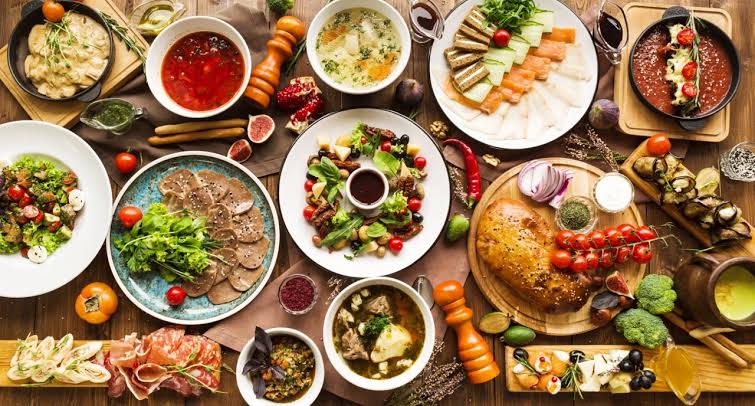
In Georgia, you do not eat mtsvadi alone in a rush. It is the crown jewel of the Supra—the traditional Georgian feast. The cooking of the shashlik is traditionally a male bonding ritual, where men gather around the grill, drink homemade amber wine, and discuss life while watching the fire.
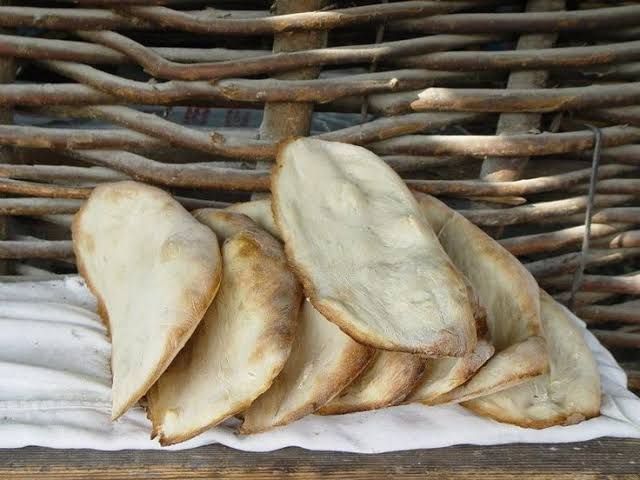
Once served, mtsvadi is accompanied by freshly baked, tandoori-style shoti bread, and a variety of sour, vibrant Georgian sauces. The most famous pairing is tkemali (a tart wild plum sauce) or satsebeli (a spiced tomato and pepper sauce). The acidity of these sauces cuts through the richness of the fatty meat perfectly.
Conclusion
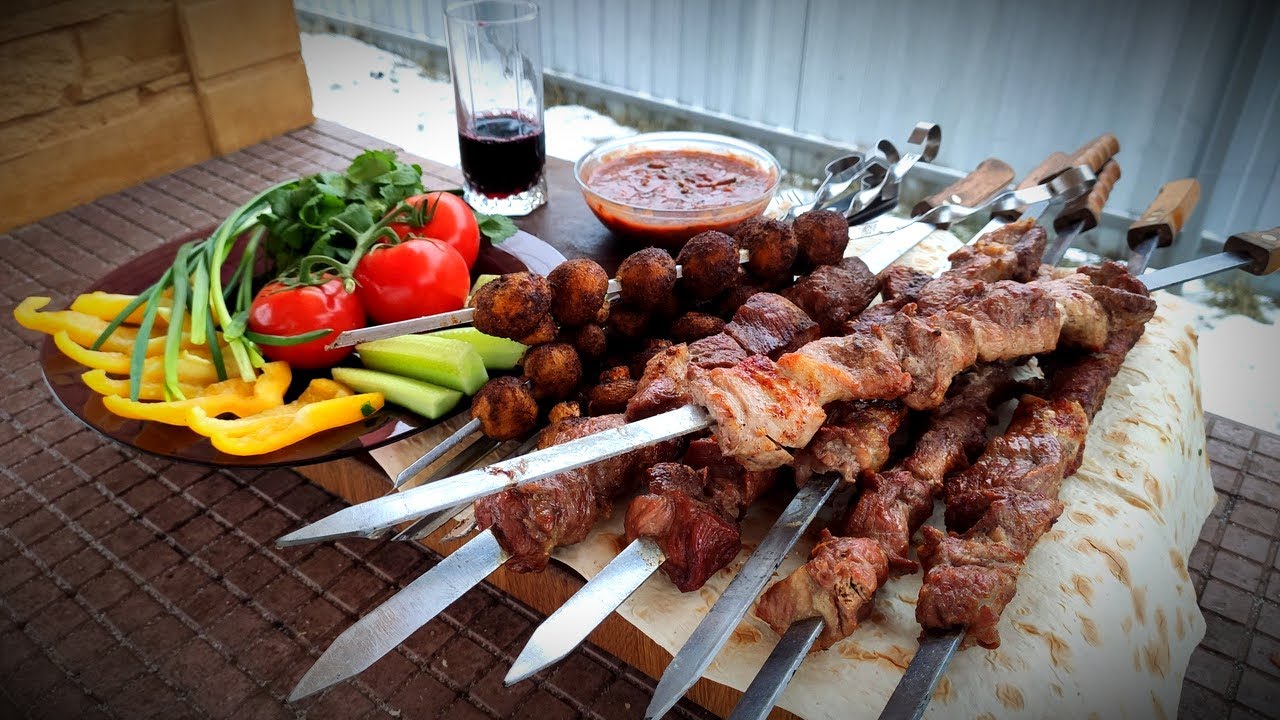
Georgian mtsvadi proves that true culinary genius lies in restraint. By combining prime cuts of meat, the aromatic smoke of grapevines, and a pinch of salt, Georgia has created a timeless style of shashlik that honors the ingredients above all else. It is a smoky, juicy testament to a rich culture built on shared tables, great wine, and unparalleled hospitality.