







Top-Top Info Worldwide is a popular online newsportal and going source for technical and digital content for its influential audience around the globe.

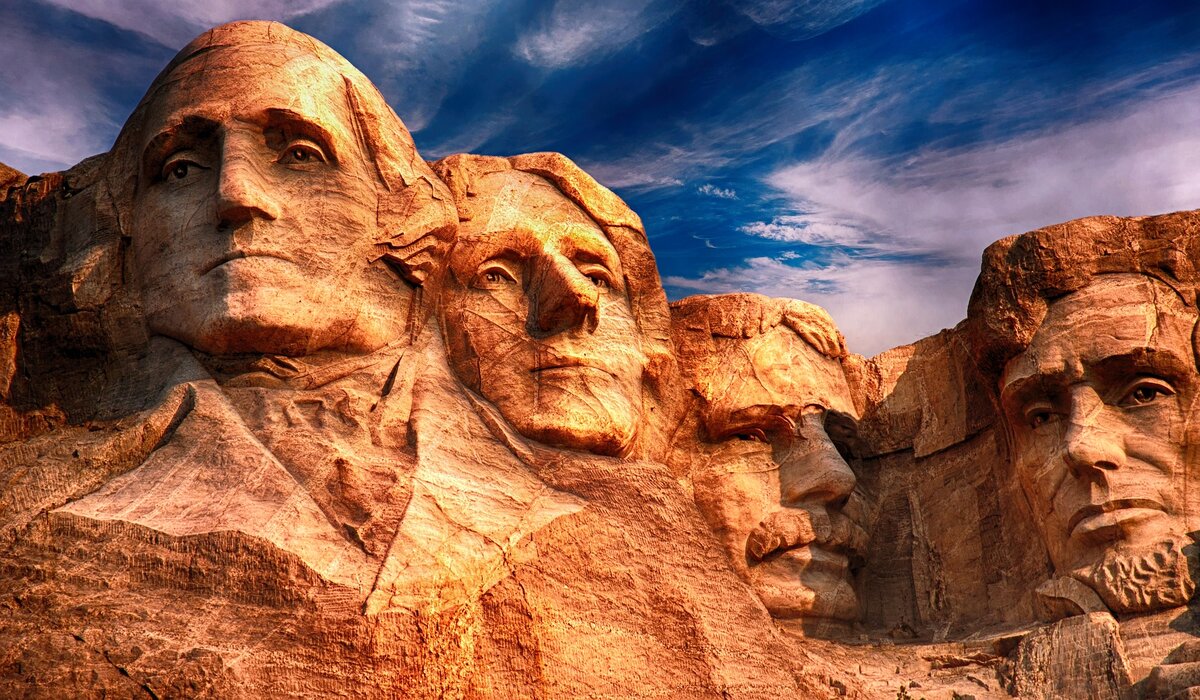
Today I have for you the top 10 quotes from American presidents. These are words for all times and all nations. They are about success, strength and working on yourself.

Unusual names have been popular at all times. Specialists have compiled lists of baby names that have amazed not only registrars.
When we use the names Michael, Ben, Emma or Julia it becomes clear that it is the name of another person. With Tequila, on the other hand, most people probably think of the drink.

The United States is a federal republic of 50 states, the District of Columbia, and inhabited territories with differing political relationships to the federal government. Its geography spans the Atlantic and Pacific coasts, the Arctic region of Alaska, the Hawaiian archipelago, the Caribbean, and Pacific islands. The Census Bureau reports about 3.53 million square miles of land and estimated a population of roughly 341.8 million on July 1, 2025.
Those national figures conceal enormous regional variation. Alaska is the largest state by area, while California has the largest state population. Dense metropolitan corridors coexist with farmland, deserts, mountains, forests, tundra, and island ecosystems. Climate ranges from tropical to polar.
The Constitution divides the federal government into legislative, executive, and judicial branches. Congress consists of the House of Representatives and Senate. The executive branch includes the president, vice president, departments, and agencies. The Supreme Court and lower federal courts form the judicial branch. Checks and balances allow each branch to limit certain actions of the others.
Federalism divides authority between the national government and states. States have their own constitutions, legislatures, executives, and courts. Local governments provide many daily services, including schools, policing, utilities, libraries, and land-use administration, although responsibilities vary. Tribal nations possess inherent sovereignty and maintain government-to-government relationships with the United States.
The country’s population reflects Indigenous histories, forced migration through slavery, territorial expansion, immigration, and internal movement. No single statistic captures identity. Census categories for race and Hispanic origin are distinct, may change over time, and do not map neatly onto culture or ancestry.
English is widely used but is not designated as the official language by the U.S. Constitution. The Census Bureau reports that more than one-fifth of people age five and older speak a language other than English at home. Spanish is especially widespread, alongside Chinese languages, Tagalog, Vietnamese, Arabic, French, Korean, Indigenous languages, and many others.
The United States has a large, varied economy spanning services, manufacturing, agriculture, technology, energy, finance, health care, and creative industries. National wealth does not mean that prosperity is evenly shared. Income, housing costs, health coverage, education, and exposure to environmental hazards differ substantially by place and population.
Current Census QuickFacts show high levels of computer access and high-school completion, but those indicators also reveal gaps. A useful portrait of the country includes both capacity and inequality rather than treating a national average as every resident’s experience.
American culture has been shaped by Indigenous peoples, descendants of enslaved Africans, immigrants from every region, religious communities, labor movements, and local traditions. Music forms including blues, jazz, country, hip-hop, and many popular hybrids emerged from particular communities before gaining worldwide audiences. Film, television, literature, sports, food, and digital media vary strongly across regions.
National symbols such as the flag, the Declaration of Independence, and the Statue of Liberty coexist with debate over how fully the country has met its stated ideals. The Constitution created durable institutions but initially tolerated slavery and restricted political participation. Amendments, court decisions, legislation, protest, and organizing have repeatedly changed who can exercise rights.
A list of superlatives cannot explain a country this large. Reliable understanding comes from distinguishing federal policy from state practice, national averages from local conditions, and civic ideals from historical outcomes. Population and economic figures should be dated because they change, and political descriptions should rely on official institutions rather than personalities who may leave office.
The United States is best approached as a continuing argument over union, liberty, equality, power, and belonging—an argument expressed through elections, courts, legislatures, social movements, and everyday community life.
Sources: U.S. Census Bureau QuickFacts; Census Bureau area measurements; USAGov on the branches of government; Bureau of Indian Affairs on tribal relations; Congress.gov Constitution Annotated.

The genre of crime movies or series has captivated audiences for a long time. The increasing level of organized crime in the USA during progressive era gave rise to the proliferation of crime movies. The popularity of crime genre movies started with films like The Great Train Robbery, 1975 and gangster films. Recently crime series on Netflix have become extremely popular mainly among young audiences.

Football, a sport that captures the hearts of millions worldwide, is ever-evolving. With each game, new legends are born, and histories are written. Among the multitude of tournaments, a few stand out for their prestige, talent showcase, and the sheer excitement they bring to fans and sports analysts alike. Here's a look at the top football championships that are shaping the future of this beloved sport.
Top-Top Info Worldwide is a popular online newsportal and going source for technical and digital content for its influential audience around the globe.