Soul music cannot be reduced to a vocal contest. It grew from Black gospel and rhythm and blues, then developed through distinct scenes in Detroit, Memphis, Muscle Shoals, Philadelphia, Chicago, and elsewhere. This unranked selection highlights ten voices that reveal different parts of that history.
Ray Charles
Charles brought gospel-derived phrasing and call-and-response into rhythm and blues with extraordinary force, while also recording jazz, pop, and country. His genre-crossing success helped establish the commercial and artistic space in which soul would flourish.
Sam Cooke
Cooke carried the elegance of the Soul Stirrers into pop without losing his gospel control of melody and audience. His songwriting joined romantic directness with social vision; “A Change Is Gonna Come” became inseparable from the civil rights era and is preserved by the Library of Congress.
Aretha Franklin
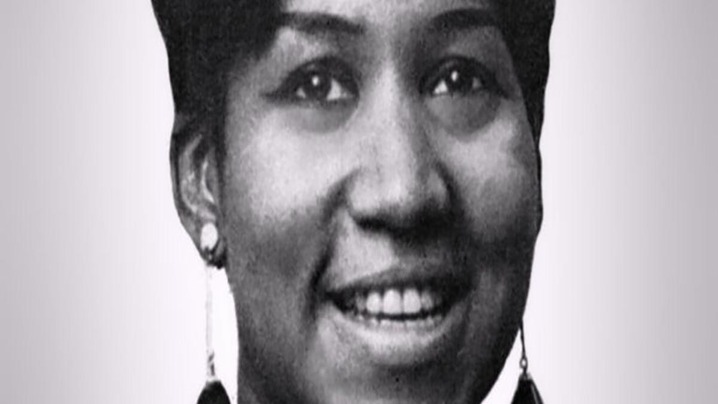
Franklin’s church training, piano playing, rhythmic authority, and interpretive intelligence changed the meaning of songs she recorded. Her version of “Respect” transformed Otis Redding’s composition into a statement of autonomy. She was also the first woman inducted into the Rock & Roll Hall of Fame.
Otis Redding
Redding’s grain, urgency, and controlled escalation defined a central strain of Southern soul. Working with the Stax studio community in Memphis, he could make a ballad feel conversational before driving it toward release. His compact recording career became disproportionately influential.
Marvin Gaye
Gaye moved from polished Motown singles to expansive, self-questioning albums. His layered vocals could sound intimate or communal, and his work widened the subjects available to a mainstream soul artist—from romance to war, ecology, faith, and urban distress.
Al Green
Green’s partnership with producer Willie Mitchell created a supple Memphis sound built on space, restrained rhythm, horns, and a voice that could leap from a murmur to falsetto. His recordings demonstrate that intensity does not require constant volume.
Gladys Knight
Knight combines clarity, grit, and narrative command. With the Pips, she made ensemble response an essential part of the drama. Their work across labels also traces a path from early R&B through Motown discipline to the fuller arrangements of 1970s soul.
Stevie Wonder
Wonder joined virtuoso singing and songwriting with keyboards, synthesizers, studio experimentation, and social commentary. His classic 1970s albums expanded soul’s sonic palette while preserving groove, melody, and emotional immediacy.
Mavis Staples
Staples brought the family gospel sound of the Staple Singers into folk festivals, civil rights music, and soul. Her low, textured voice conveys moral weight without losing warmth. The group’s recordings show how sacred tradition and public activism could reinforce one another.
Donny Hathaway
Hathaway was a singer, arranger, keyboardist, and producer whose harmonic sophistication connected gospel, jazz, classical training, and soul. His live recordings are especially valued because they capture the exchange between performer and audience at the heart of the tradition.
Listen for relationships, not trophies
These artists influenced one another and depended on songwriters, bands, arrangers, engineers, churches, and labels. A deeper listening journey follows those connections: gospel quartets into Sam Cooke, Stax songwriting into Aretha Franklin, Motown production into Marvin Gaye, and civil rights repertoire into the Staple Singers. “Greatest” is subjective; influence becomes clearer when recordings are heard in history.
Regional scenes and overlooked performers reward exploration beyond any short introductory list.
Sources: Library of Congress: African Americans on the Recording Registry; Smithsonian: Aretha Franklin; Rock Hall: Marvin Gaye; National Recording Registry; NEA: Roebuck “Pops” Staples.