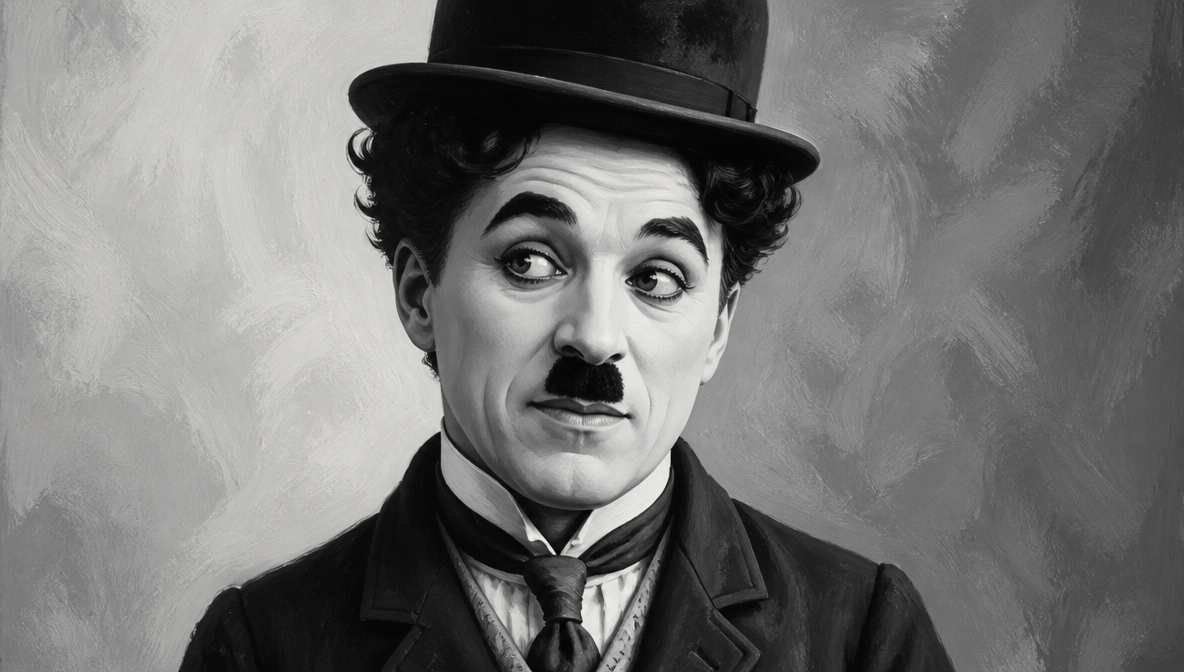
To the world, he was the Little Tramp—a bumbling, sweet-natured vagabond with a cane, a bowler hat, and a toothbrush mustache who brought laughter to millions. But behind the silver screen, Charles Spencer Chaplin was a deeply complex, driven, and often paradoxical man. The contrast between his public persona and his private reality remains one of the most fascinating stories in Hollywood history.
A Perfectionist and Cinematic Dictator
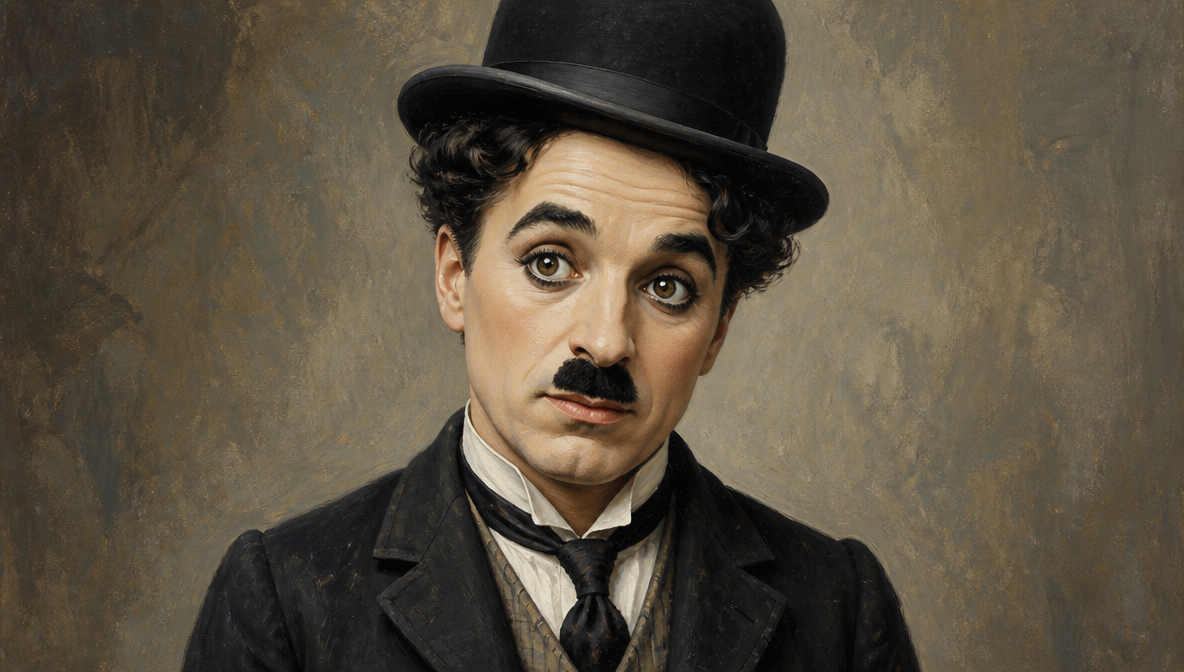
On set, Chaplin was far from the easygoing, clumsy character he portrayed. He was a fierce perfectionist and an absolute autocrat. In an era when directors simply directed, Chaplin wore every hat: he wrote, directed, produced, edited, and even composed the musical scores for his films.
His obsession with control grew from his genius but tortured those around him. He did not use traditional scripts, preferring to improvise on camera. This meant shooting the same scene hundreds of times until it matched the exact vision in his head. While filming City Lights, he reportedly forced his co-star Virginia Cherrill to repeat a minor scene—merely handing him a flower—more than 340 times. He was demanding, prone to intense mood swings, and utterly unforgiving of incompetence.
Haunted by a Dark Childhood
To understand Chaplin’s intense drive and his complicated relationship with money, one must look at his childhood. Born into crushing poverty in London, his father abandoned the family and died of alcoholism, while his mother suffered from severe mental illness and was committed to an asylum.
Chaplin spent his early years drifting between workhouses and destitute schools. This trauma left an indelible mark. Even after becoming one of the richest men in the world, he was plagued by a lifelong fear of returning to poverty. He was notoriously frugal, famously keeping his money in tightly guarded accounts, arguing over minor expenses, and occasionally expecting others to pick up his bills.
A Brilliant but Tumultuous Private Life
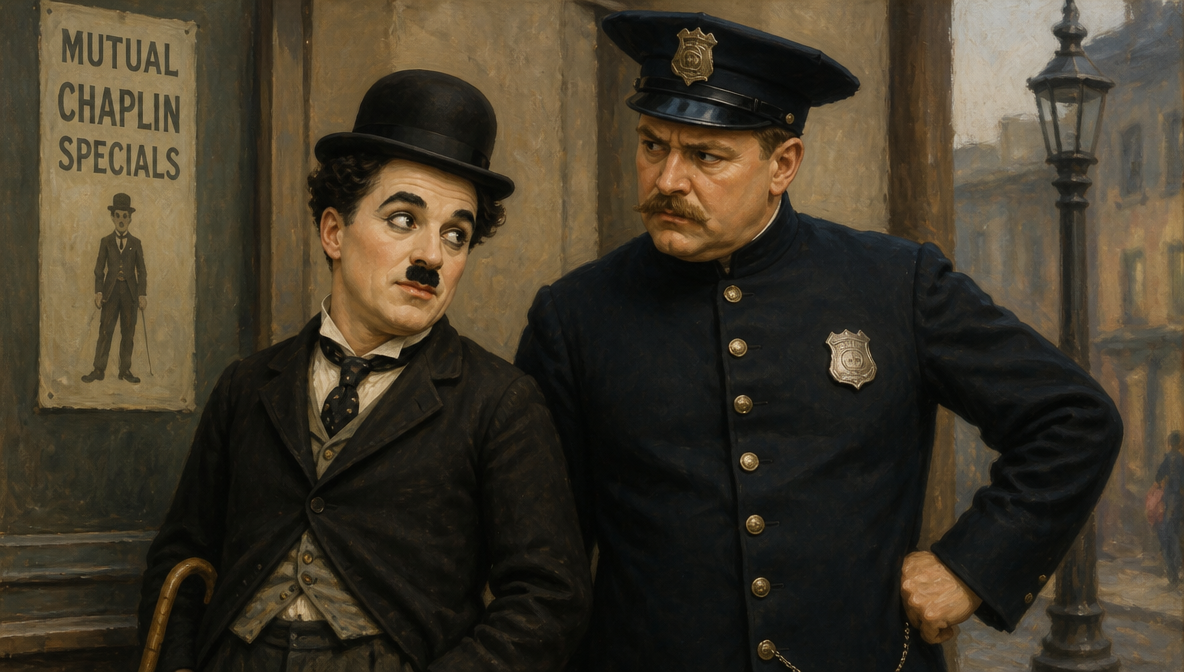
Off-camera, Chaplin was a charismatic, elegant man with striking blue eyes and a refined demeanor. Without his mustache and oversized shoes, he was virtually unrecognizable—so much so that he once entered a Charlie Chaplin lookalike contest and famously lost.
However, his personal life was turbulent and heavily criticized. Chaplin had a well-documented preference for much younger women. His first two marriages—to Mildred Harris and Lita Grey—were to teenagers and ended in bitter, public divorces that scandalized conservative America. It wasn't until 1943, at the age of 54, that he married 18-year-old Oona O'Neill. Despite the massive age gap, Oona became his true anchor, providing the stability he lacked his entire life. They remained together until his death, raising eight children.
The Political Exile
Chaplin was a deeply political thinker who used his art to champion the poor and criticize systemic oppression. Films like Modern Times attacked industrial exploitation, while The Great Dictator boldly mocked Adolf Hitler.
This fierce independence made him a target during the Red Scare in the United States. FBI Director J. Edgar Hoover viewed Chaplin as a dangerous communist sympathizer. In 1952, while Chaplin was traveling to London, the U.S. government revoked his re-entry permit. Instead of fighting, Chaplin settled in Switzerland, refusing to return to America for two decades until he received an Honorary Oscar in 1972.
Charlie Chaplin was not just a comic genius; he was a flawed, passionate, and visionary artist who reshaped cinema while fighting the ghosts of his own past.