
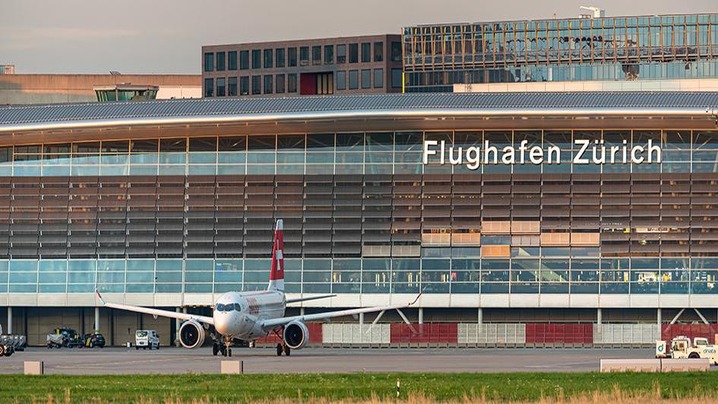
Why a safest-airport ranking is unreliable
There is no single authoritative global table that identifies the ten safest airports. Accident counts alone are misleading because airports handle very different traffic volumes, aircraft types, weather and terrain. A small airport may report no serious events simply because it has few flights, while a large hub may identify more incidents because it has stronger reporting systems. Passenger comfort and security screening are also distinct from operational aviation safety.
Regulators assess risk through multiple layers: infrastructure standards, air traffic procedures, wildlife control, emergency capability, staff training and a safety-management process that looks for hazards before they cause an accident. These ten signals provide a better way to understand an airport's safety posture.
Ten meaningful safety signals
- Regulatory certification: Certification shows that an airport is subject to national requirements for operations, inspections and emergency planning. It is a baseline, not a trophy.
- Safety Management System: An SMS creates formal processes for reporting hazards, assessing risk, assigning mitigations and checking whether those mitigations work. The FAA requires SMS implementation at many Part 139 airports.
- Runway-incursion performance: An incursion is the incorrect presence of an aircraft, vehicle or person on a protected runway area. Severity matters: a minor procedural event is not equivalent to a near collision.
- Runway-excursion protection: Runway safety areas and engineered materials arresting systems can reduce harm when an aircraft overruns or leaves the pavement, especially where land is constrained.
- Surface surveillance: Radar, multilateration and satellite-derived data can help controllers track aircraft and vehicles. Automated warning systems add a layer but do not replace clearances or disciplined procedures.
- Taxiway geometry and markings: Complex intersections and confusing routes increase error risk. Lighting, signs, pavement markings and redesign of known hot spots are practical defenses.
- Rescue and firefighting readiness: Staffing, equipment, response times, water supply and recurring exercises determine whether an airport can respond effectively after an incident.
- Weather and terrain mitigation: Wind, snow, ice, low visibility, heat and surrounding terrain require suitable forecasting, runway maintenance, approach procedures and operational limits.
- Wildlife-hazard management: Airports monitor birds and other animals, manage habitat and report strikes. Effective control balances aviation safety with lawful and environmentally responsible methods.
- Reporting culture and transparency: A healthy system encourages staff to report errors and near misses so organizations can learn. A higher raw report count can reflect better detection rather than worse safety.
What travelers can reasonably check
Passengers cannot audit an airport from the departure hall, but they can look for oversight by recognized civil-aviation authorities and read regulator safety reports. News stories about a single event should be placed in context: determine whether the event was an accident, serious incident or lower-severity occurrence and whether corrective action followed. Airport marketing awards usually measure service, cleanliness or customer satisfaction, not operational risk.
The airline, aircraft operator, air navigation service and airport share responsibility for a flight. A beautifully designed terminal says little about runway safety, while an older terminal can serve an airport with rigorous operations. Security—the prevention of unlawful acts—also uses different data and agencies from accident prevention.
A credible comparison should normalize events by exposure, distinguish severity, use several years of data and disclose its definitions. Without that work, a numerical ranking offers false precision. The safer conclusion is that aviation safety comes from overlapping defenses and continuous improvement, not from a permanent badge attached to one airport.
Sources: FAA: Airport Safety Management Systems; FAA: Runway incursions; FAA: Runway risk mitigation; EASA: Annual Safety Review 2025; ICAO: Global Runway Safety Action Plan.