
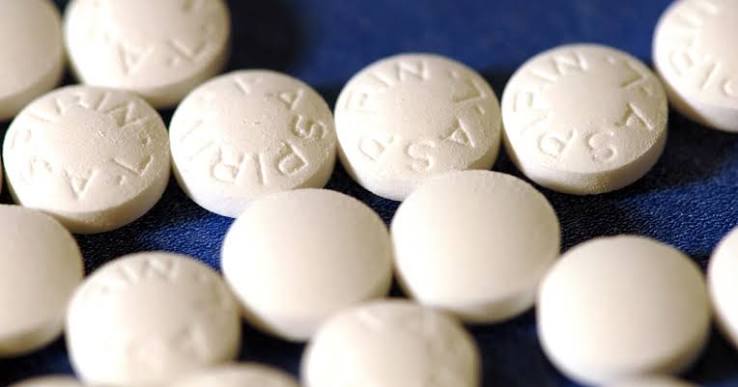
Aspirin (acetylsalicylic acid) is one of the most widely used over-the-counter medications in the world. Known for its ability to relieve pain, lower fever, and reduce inflammation, it is also frequently prescribed in low doses to prevent heart attacks and strokes due to its blood-thinning properties. However, despite its immense popularity and accessibility, aspirin is a powerful drug with serious risks. It is far from harmless, and there are several specific medical conditions and scenarios where taking aspirin can be incredibly dangerous or even life-threatening.
- Gastrointestinal Ulcers and Bleeding Disorders
Because aspirin inhibits blood clotting, it significantly increases the risk of internal bleeding. You should strictly avoid aspirin if you have a history of stomach ulcers, gastritis, or gastrointestinal bleeding. The drug blocks certain enzymes that protect the stomach lining, which can cause existing ulcers to rupture and bleed uncontrollably. For the same reason, anyone with inherited bleeding disorders, such as hemophilia, must never take aspirin.
2. The Danger to Children: Reye’s Syndrome
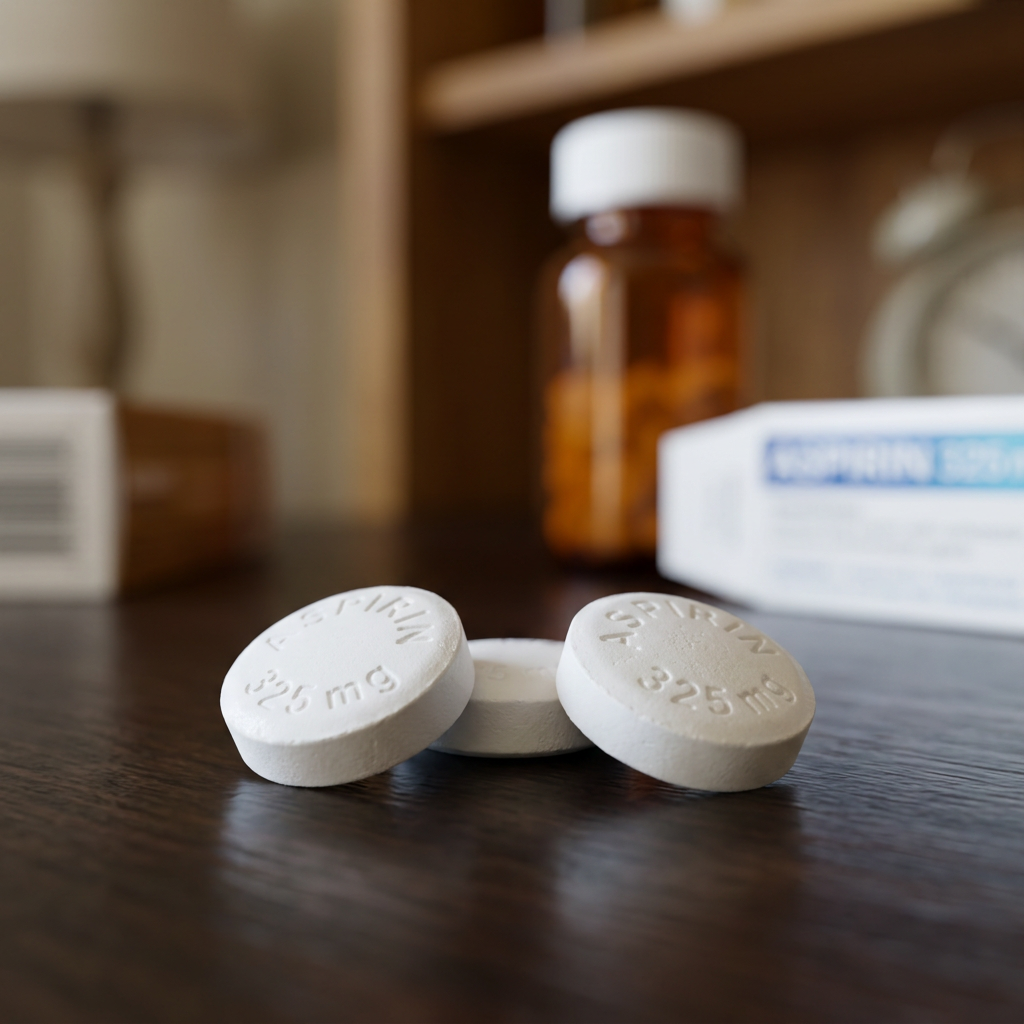
One of the strictest absolute contraindications for aspirin involves pediatric care. Children and teenagers under the age of 16 should never be given aspirin to treat viral infections like the flu, chickenpox, or a common cold. Using aspirin in these scenarios can trigger a rare but catastrophic condition known as Reye’s Syndrome. This syndrome causes acute inflammation of the brain and liver, which can lead to permanent damage or death. Safer alternatives, such as paracetamol (acetaminophen), must be used instead.
3. Asthma and Allergic Reactions
People who suffer from asthma need to exercise extreme caution. A significant percentage of asthmatics have a condition known as Aspirin-Exacerbated Respiratory Disease (AERD). In these individuals, taking aspirin or other non-steroidal anti-inflammatory drugs (NSAIDs) can cause severe, sudden bronchospasms, making it extremely difficult to breathe. If you have ever had a severe allergic reaction to ibuprofen or naproxen, aspirin is strictly off-limits.
4. Pregnancy and Upcoming Surgeries
Pregnant women should avoid aspirin, especially from the 20th week of pregnancy onward, as it can cause serious cardiovascular complications in the unborn child and increase bleeding risks for the mother during delivery. Additionally, if you have a scheduled dental or medical surgery, you must stop taking aspirin at least 7 to 10 days beforehand. Because aspirin irreversibly disables platelets, continuing to take it right up until a procedure can result in severe, unmanageable surgical bleeding.

5. Severe Liver or Kidney Disease
Aspirin is metabolized by the liver and filtered out by the kidneys. If a patient suffers from severe hepatic or renal impairment, these organs cannot process the drug effectively. This causes toxic levels of salicylates to accumulate in the bloodstream, heavily compounding the strain on already failing organs.
Summary
Always remember that over-the-counter does not mean risk-free. Always read the packaging carefully, consult a healthcare provider before starting a daily aspirin regimen, and never mix it with alcohol or other blood thinners.