

Nature’s beauty can be highly deceptive, as some of the world's most elegant plants hide deadly chemical defenses. While plants cannot run away from predators, they have evolved a sophisticated array of toxins to protect themselves. Understanding these hazardous species is essential for hikers, gardeners, and nature enthusiasts. Below is an exploration of the most notorious poisonous plants, their toxic properties, and how they impact the human body.
Deadly Nightshade (Atropa belladonna)
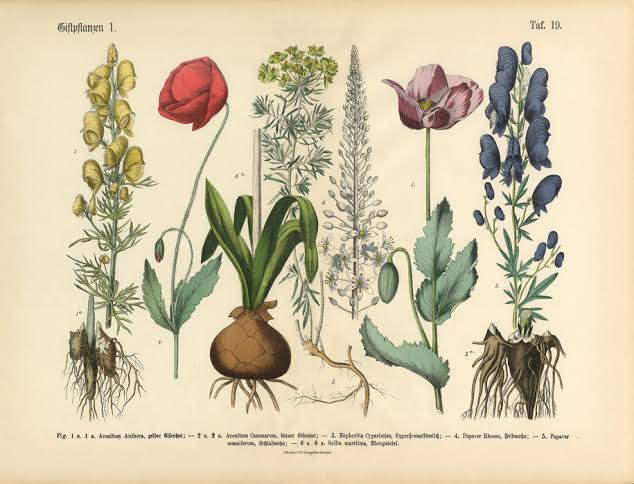
- Deadly Nightshade is a well-known toxic plant. It features dull green leaves, bell-shaped purple flowers, and glossy, cherry-sized black berries.
· The Toxins: The entire plant contains tropane alkaloids.
· The Effect: These compounds significantly impact the nervous system. Ingestion can lead to severe physiological distress, including heart rate irregularities and vision disturbances. It is considered one of the most hazardous plants in the wild and should never be consumed.
2. Poison Hemlock (Conium maculatum)
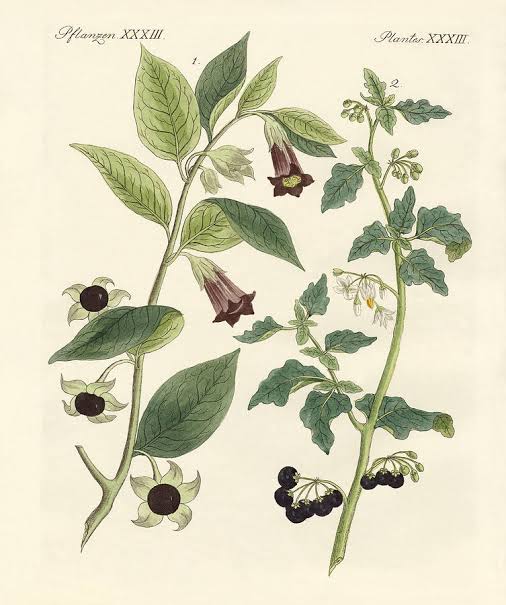
A member of the carrot family, Poison Hemlock can be identified by its umbrella-like clusters of tiny white flowers and distinct purple spots on its hollow stems.
· The Toxins: The active alkaloids in this plant are potent neurotoxins.
· The Effect: These toxins interfere with the communication between nerves and muscles. Ingestion leads to progressive physical impairment and respiratory distress. Due to its resemblance to edible plants like wild parsnip, it is a frequent cause of accidental poisoning.
3. Oleander (Nerium oleander)
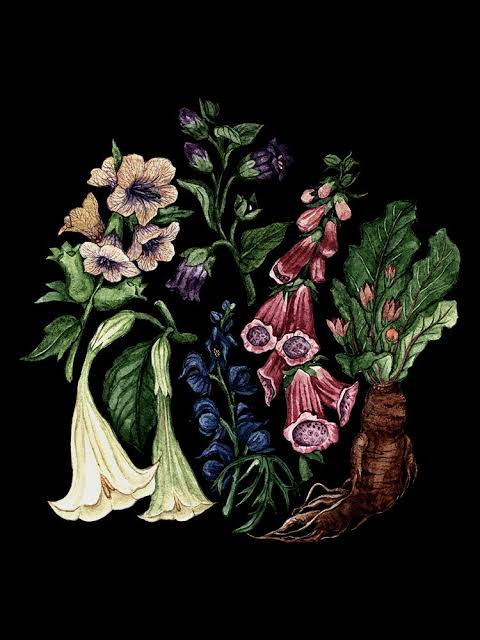
Often planted as an ornamental shrub, Oleander is dangerous in its entirety. Every part of this plant, from the roots to the nectar, contains hazardous substances.
· The Toxins: Oleander contains powerful cardiac glycosides.
· The Effect: These chemicals directly affect the heart's function. Ingestion can cause severe gastrointestinal upset and dangerous changes in heart rhythm. Even incidental contact with the sap or inhaling smoke from burning the plant can result in serious health complications.
4. Castor Bean (Ricinus communis)
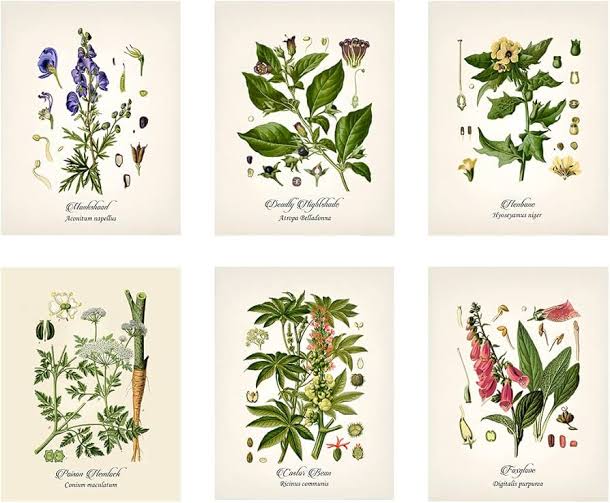
The Castor Bean plant is often grown for its striking foliage, but its seeds contain a highly potent biological toxin.
· The Toxins: The seeds contain a protein that inhibits cellular function.
· The Effect: If the seeds are ingested, the toxin causes severe damage to internal organs by preventing cells from functioning properly. This often results in long-term health consequences or critical illness. While the processed oil is used industrially and medicinally, the raw seeds remain a significant biological hazard.
----------------------