Historic prisons attract visitors because architecture can make systems of power tangible. Cells, walls, labor yards, and surveillance plans show how states defined crime, discipline, race, class, and political dissent. But these places are not merely “notorious” attractions. Many contain histories of abuse, resistance, wrongful imprisonment, and death. A responsible survey centers the people confined there and asks what the institution was designed to accomplish.
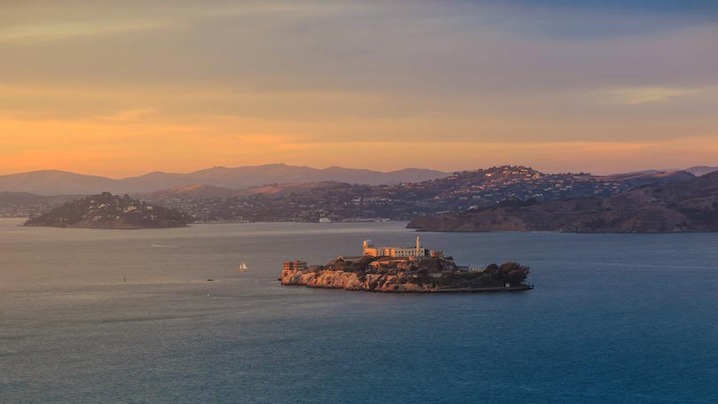
1. Alcatraz, United States
Alcatraz served as a fort, military prison, and federal penitentiary before becoming part of the National Park Service. Its history also includes the 1969–1971 occupation by Indians of All Tribes, a major event in the modern Indigenous rights movement. That layered story is more important than its roster of famous prisoners.
2. Robben Island, South Africa
Used for isolation and imprisonment across several eras, Robben Island became internationally associated with apartheid and political prisoners, including Nelson Mandela. Former prisoners helped shape its museum. UNESCO recognizes the island as testimony to oppression and the triumph of democracy and freedom.
3. Eastern State Penitentiary, United States
Opened in Philadelphia in 1829, Eastern State embodied the “separate system,” which sought penitence through isolation. Its radial plan influenced prison design internationally. The site now examines mass incarceration and the gap between reform claims and the psychological consequences of solitary confinement.
4. Kilmainham Gaol, Ireland
Kilmainham held ordinary prisoners and political detainees under British rule. Executions following the 1916 Easter Rising made it central to Irish national memory. Interpretation also addresses harsh nineteenth-century conditions, poverty, and the imprisonment of women and children.
5. Port Arthur, Australia
Part of the Australian Convict Sites World Heritage property, Port Arthur was a penal settlement within the British transportation system. Its ruins and records illuminate forced labor, punishment, attempted reform, and the colonial displacement of Aboriginal peoples.
6. Cellular Jail, India
Built by British colonial authorities in the Andaman Islands, the Cellular Jail confined independence activists and other prisoners in isolated cells. Its design enabled surveillance and separation. Remembering it requires attention to colonial violence, hunger strikes, forced labor, and contested national memory.
7. Hoa Lo Prison, Vietnam
French colonial authorities built Hoa Lo in Hanoi to hold Vietnamese prisoners, including anti-colonial activists. During the Vietnam War, it also held American prisoners of war. Exhibitions and popular accounts emphasize different periods, making comparison of archival evidence and perspectives especially important.
8. Tuol Sleng, Cambodia
The Khmer Rouge converted a Phnom Penh school into Security Prison 21, a detention, interrogation, and torture center. Most prisoners were killed. The museum preserves photographs and documents that support education and accountability. Visitors should approach it as a memorial to victims, not as dark entertainment.
9. The Tower of London, England
The Tower was a fortress, royal residence, treasury, armory, and place of imprisonment over many centuries. Famous elite prisoners dominate popular memory, but its carceral use was only one part of a larger state complex. Its changing functions caution against labeling every fortified site simply a prison.
10. The prison on Devil’s Island and the Salvation Islands, French Guiana
France’s penal-colony system in Guiana dispersed prisoners across multiple sites; “Devil’s Island” is often used inaccurately for the whole system. Disease, forced labor, isolation, and administrative brutality shaped confinement. The history is better understood through the system’s records than through escape legends alone.
Questions responsible visitors should ask
- Who was imprisoned, under what laws, and with what rights?
- Whose testimony survives, and whose voice is missing?
- How did race, empire, poverty, gender, and political status affect punishment?
- Does the site connect its past to present debates about incarceration?
Preserved prisons matter when they help the public examine institutions, not when they turn suffering into atmosphere. Their walls are evidence; interpretation determines whether that evidence enlightens or exploits.
Sources: National Park Service: Alcatraz; UNESCO: Robben Island; Eastern State Penitentiary Historic Site; UNESCO: Australian Convict Sites.