The Victorian style is not merely a single design aesthetic; it is a sprawling, multifaceted cultural and artistic phenomenon that dominated Great Britain and much of the Western world during the historic reign of Queen Victoria (1837–1901).
This period marked the absolute zenith of the British Empire. Driven by the rapid advancements of the Industrial Revolution, global colonial expansion, and unprecedented economic prosperity, a newly enriched and ambitious middle class emerged. Desperate to demonstrate their new-found wealth, education, and social status, this bourgeoisie cultivated an artistic language defined by unapologetic opulence, historic eclecticism, and theatrical grandiosity.
To truly understand Victorianism, one must view it as a mirror of its time—an era caught between rigid Puritan morality and a passionate obsession with industrial progress and global discovery.
Architectural Diversity and Historical Revivalism
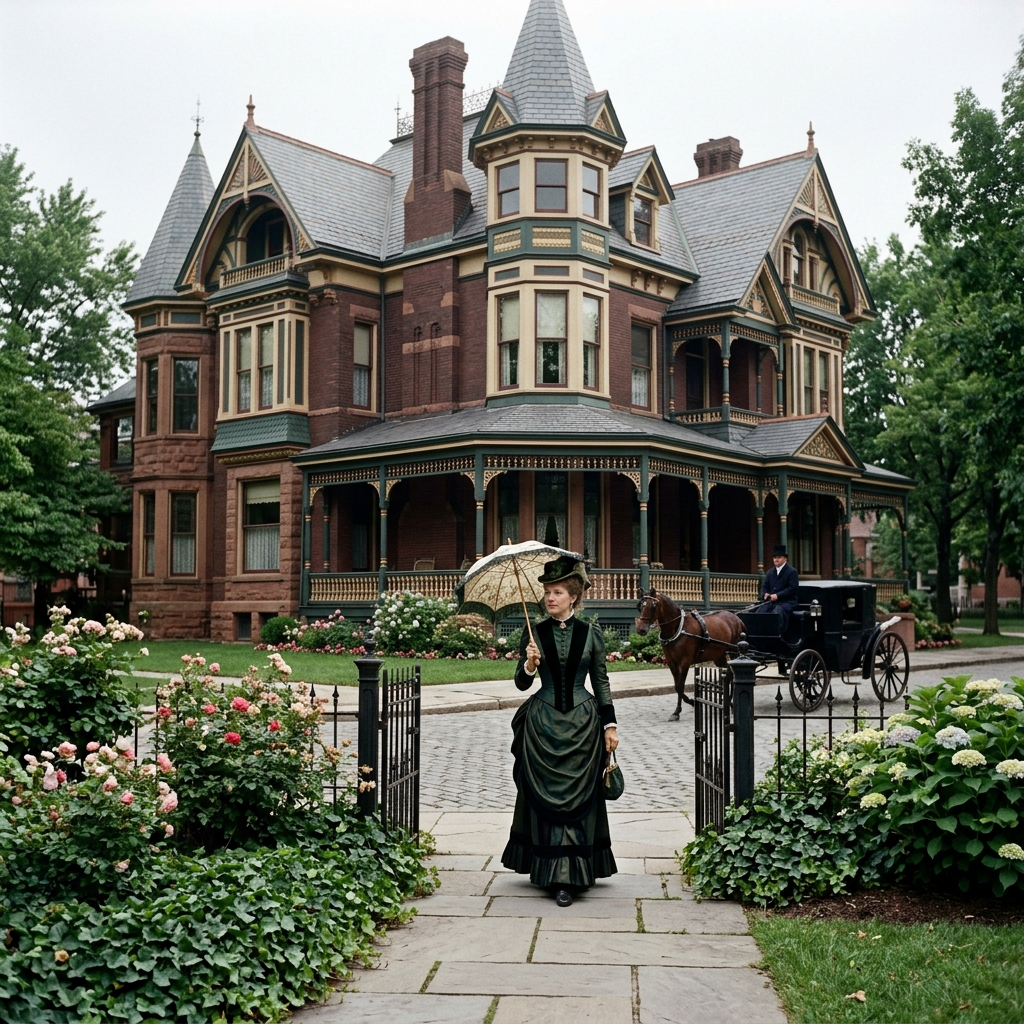
One of the most common misconceptions is that Victorian architecture refers to a single type of building. In reality, it was a fascinating era of architectural eclecticism, where designers looked backward into history, borrowing, combining, and reinventing elements from various eras and cultures.
A hallmark of almost all Victorian buildings was the inclusion of grand bay windows and erkers, which pushed outward from the walls to maximize natural light. Furthermore, the mass production of the Industrial Revolution allowed for the widespread use of mass-produced, intricate cast-iron and carved wooden trim—often affectionately called "gingerbread trim"—making elaborate ornamentation accessible to ordinary homeowners.
The Victorian Interior: Comfort, Drama,
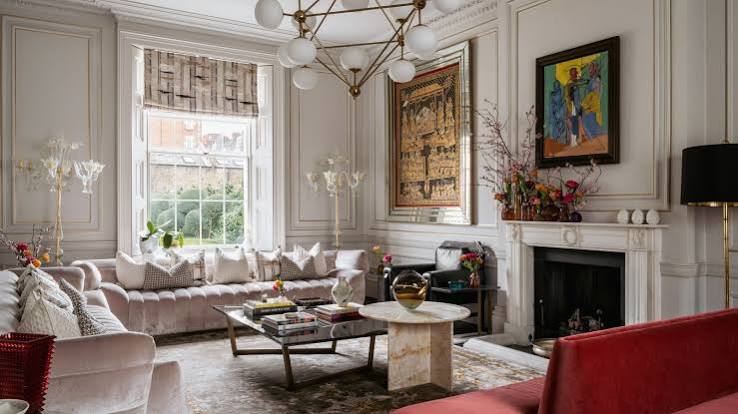
The interior of a Victorian home was designed to be a sanctuary from the chaotic, polluted industrial world outside, as well as a physical checklist of the owner’s financial success. The overarching philosophy of Victorian interior design was governed by the concept of "horror vacui"—the literal fear of empty spaces. To leave a wall bare or a corner unoccupied was viewed as a sign of intellectual poverty and a complete lack of taste.
The Color Palette and Wallcoverings
Early Victorian interiors favored light, delicate hues, but as the era progressed, the palette shifted toward deeply saturated, dramatic jewel tones. Homeowners proudly painted their parlors and dining rooms in emerald green, ruby red, sapphire blue, rich burgundy, and deep teal. These dark backgrounds were practical, as they hid the soot from gas lamps and coal fireplaces, but they also created an atmosphere of intimate, cloistered luxury. Walls were rarely plain; they were adorned with heavy wooden wainscoting and layered with elaborate, embossed wallpapers. The intricate, nature-inspired patterns designed by William Morris and the Arts and Crafts movement became global benchmarks of the era.
Furniture and Textiles
Furniture was massive, heavy, and meticulously carved from premium hardwoods such as mahogany, walnut, rosewood, and oak. Drawing inspiration from the French Rococo and Louis XV periods, sofas and chairs featured curved legs, tufted upholstery, and frames carved with motifs of fruits, flowers, and vines.
Textiles were deployed in overwhelming abundance. Windows were obscured by multi-layered treatments: sheer lace curtains to diffuse the daylight, topped by heavy, floor-to-ceiling drapes made of velvet, brocade, or damask, complete with thick tassels and gold fringe. Floors were heavily layered with imported Persian or geometric Axminster carpets, ensuring that almost no bare wood was visible.
The Parlor and Curiosities
The heart of the home was the parlor. It was anchored by an imposing marble or cast-iron fireplace mantle, which was cluttered with clocks, porcelain figurines, and framed family photographs. Due to the British Empire's global expansion, Victorians became obsessed with collecting exotic curiosities. A proper parlor frequently featured glass domes housing taxidermy birds, displays of pinned butterflies, Japanese fans, and exotic ferns, turning domestic spaces into miniature museums of natural history.
Fashion as a Reflection of Strict Social Codes
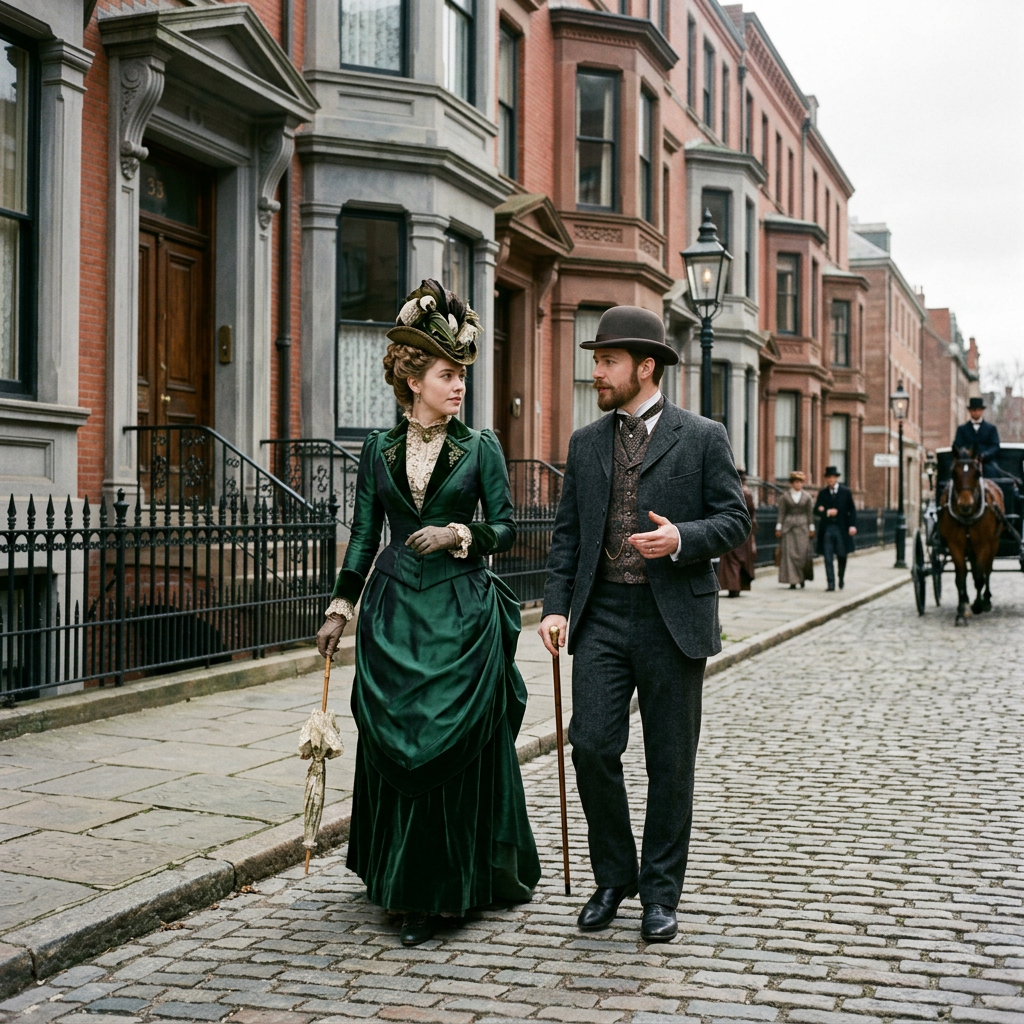
Victorian fashion was never about comfort; it was a highly complex, ritualistic visual language that broadcasted a person's gender, class, and moral rectitude. Society was bound by rigid etiquette, and clothing was the ultimate tool for maintaining these boundaries.
Women’s Fashion: Structure and Modesty
The female silhouette underwent dramatic transformations across the 19th century, yet it remained consistently restrictive. Modesty was paramount: a proper lady’s flesh was completely concealed from the neck down to the wrists and ankles.
Men’s Fashion: The Birth of Modern Formality
While women's fashion was theatrical, men’s fashion moved toward sober, professional respectability. The flamboyant silks and bright colors of the 18th century were completely abandoned. Instead, the period established the blueprint for modern formal wear. Draped in dark shades of black, grey, and navy, the respectable Victorian gentleman wore a three-piece suit featuring a structured waistcoat, a crisp white collar, and a formal frock coat or morning coat. The look was topped off with a silk top hat and a walking cane, projecting an aura of serious, industrious authority.