Mars is one of Earth’s closest neighbors and the most studied planet in the Solar System. Spacecraft with Mars and satellites have been sent to it for several decades, but humans have never set foot on the surface of the Red Planet.
Mars is one of the most potentially suitable planets for theoretical human colonization. First, it is close enough to the Earth that it will be easier to reach in the future. Second, unlike other neighbors, Mars is relatively livable: it has no extremely high temperatures like Venus or Mercury, and an atmosphere, unlike the Moon.
The first technical analysis of a manned expedition to the Red Planet was carried out by a German, and later an American rocket and space engineer and one of the founders of rocket engineering, Werner von Braun. The text was published as a book "Project Mars" in West Germany in 1952, and then in the US in English in 1953.
Mars itself may also have many resources. Thus, according to estimates of scientists, the Martian land is rich in deposits of copper, uranium, gold, tungsten, iron, aluminum, etc. Moreover, on the planet there is no biosphere, and therefore environmental damage, as on Earth, is impossible to cause. Therefore, it would be possible to use fusion nuclear charges to open ore deposits.
It is worth noting that there are factors that make colonization much easier. In particular, the Martian soles are very close to the earth and are 24 hours, 39 minutes and 35.2 seconds long. The Red Planet also has a seasonality, and an atmosphere that is 0.7% of Earth’s, but still provides protection from solar and cosmic radiation. Mars also has water in the form of deposits of water ice.
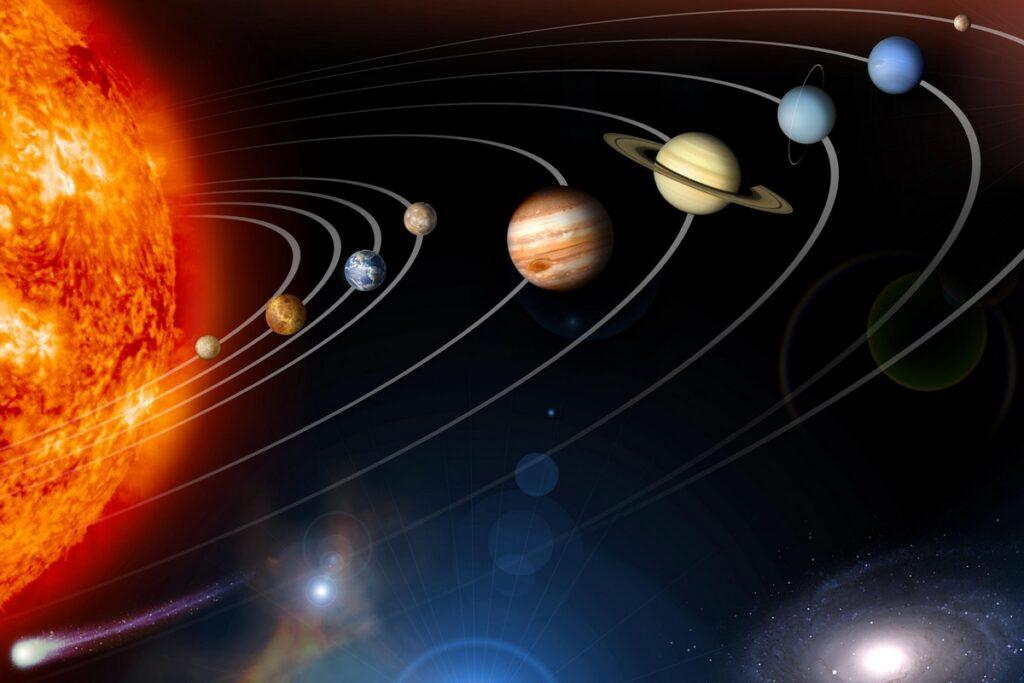
Earth and Mars are separated by a vast distance - about 55 million kilometers, which is the minimum. At some point, it can reach 400 million. The fact is that both planets orbit the Sun at different speeds and distances, so there are more favorable periods, which usually occur every 26 months. That is, if you miss the best time for a launch, next one will have to wait longer than two years.
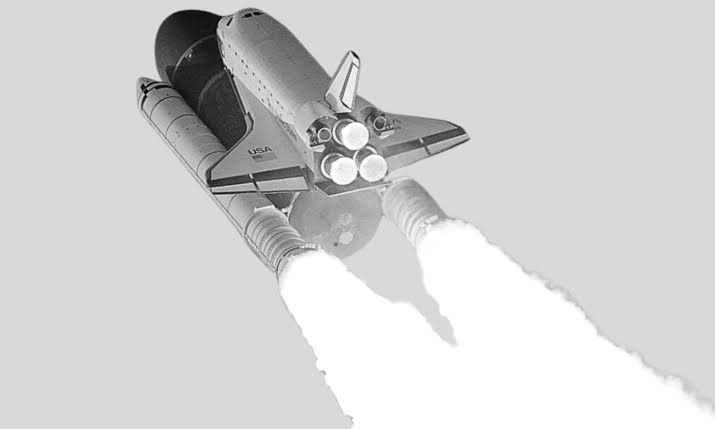
There is also the problem of how to cover such a distance. According to the engineers, a single-leg flight should take 6 to 9 months. And here comes the question of the spacecraft’s workload. Today, humans are launching spacecraft into space on rocket fuel. And to put them into orbit is enough. However, a long journey to Mars will require an enormous amount of space just for fuel to land. Another way is to use nuclear or nuclear-electric engines, but humanity has not yet mastered such technologies.
Humans have never been in space for so long and so far away at once. And the biggest problem here is radiation, which will hit astronauts as soon as they leave the Earth’s magnetic field.
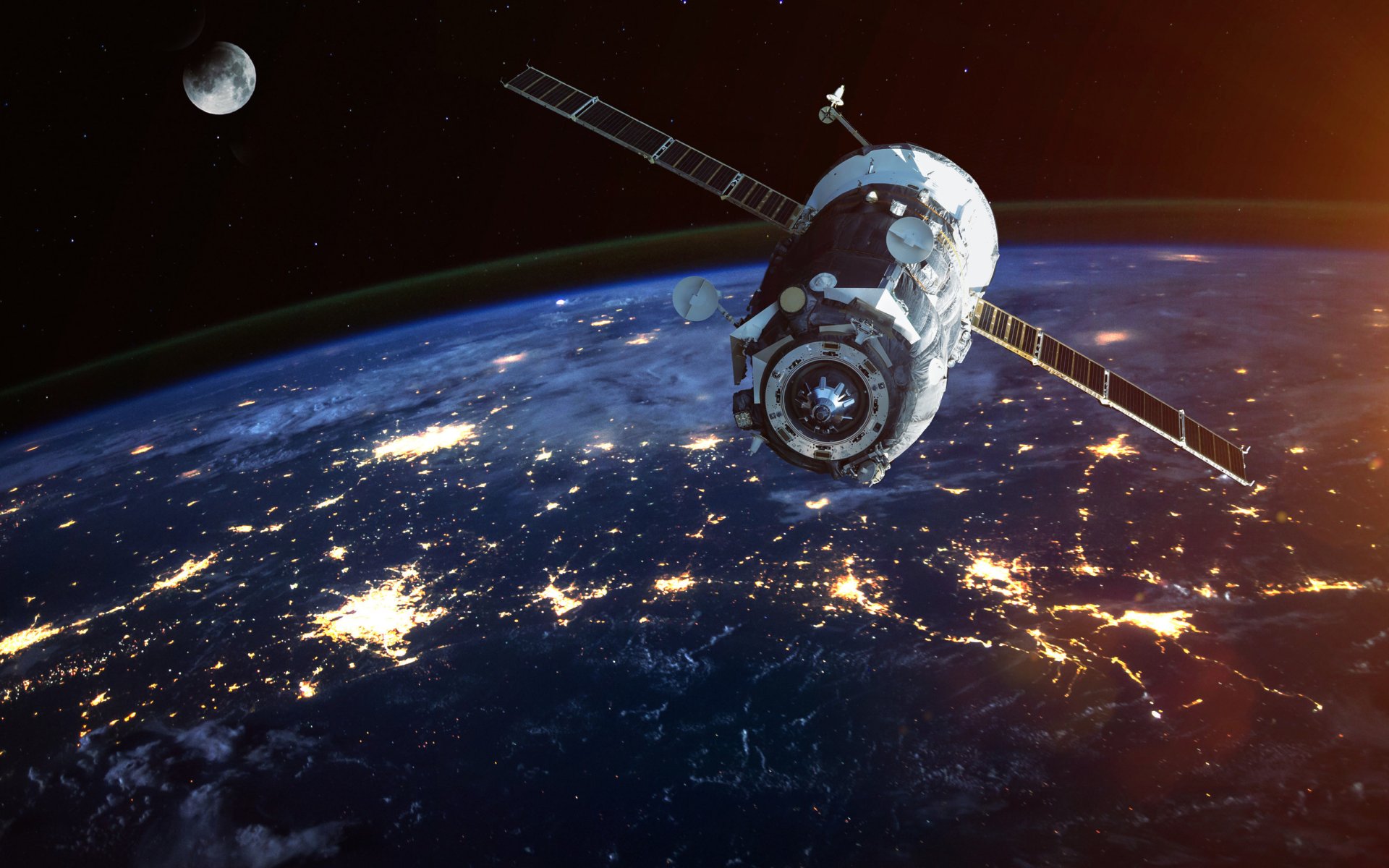
There are two types of radiation: the elusive galactic cosmic rays and solar flare energy, which can kill a person in hours.
There is also a psychological factor: NASA is modeling life on Mars as part of the CHAPEA project. In the fall of 2025, scientists announced a second simulation program, in which five volunteers would live and work for 378 days in conditions as close as possible to those that people would have to face during a real expedition to the red planet. One of the main challenges is to understand whether people can succeed in a mission with limited resources and isolation.
Even if the astronauts make it to Mars, the challenge will not end. The first problem is landing. The fact is that the atmosphere on the planet is too discharged, as a result of which the speed cannot be extinguished even with parachuting, as on Earth, but such a rapid descent will create an extreme overheat. This gives engineers the task of designing a ship to be both slowed and cooled.
The second problem is taking off from Mars. It is necessary to take care of the fuel for the return journey in advance, as the ship will not be able to take it with it from Earth. This means that it must either be directed to the Red Planet in advance or be produced from Martian resources.
Who wants to fly ? Elon Musk's SpaceX, NASA, CNSA (China) ...
Most importantly - Mars has no good magnetic field and atmosphere.