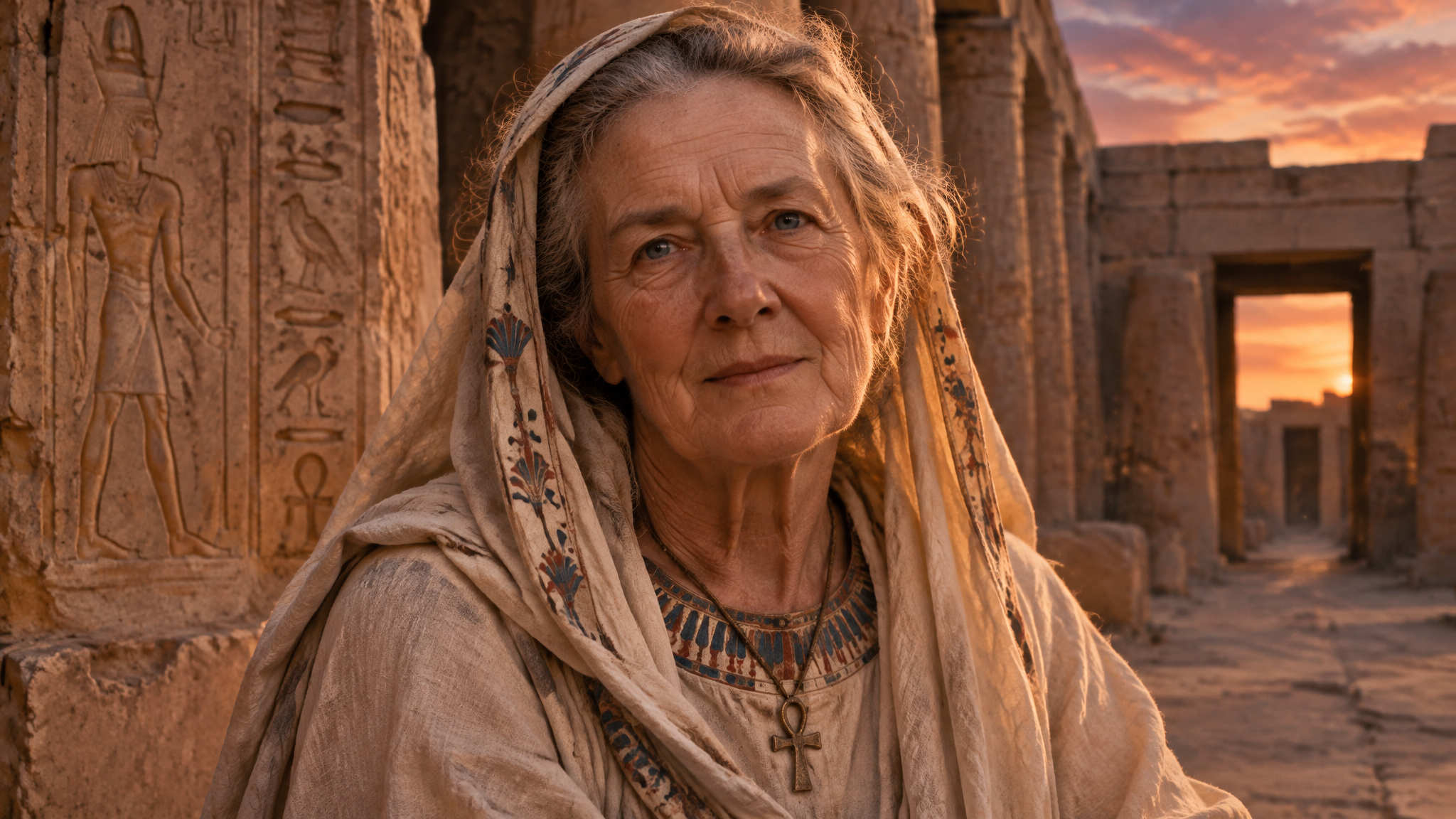
When Dorothy Edi first came to Egypt, she felt that she had been here before - roughly calculated several thousand years ago. How is that possible? Scientists cannot find a scientific explanation for it!
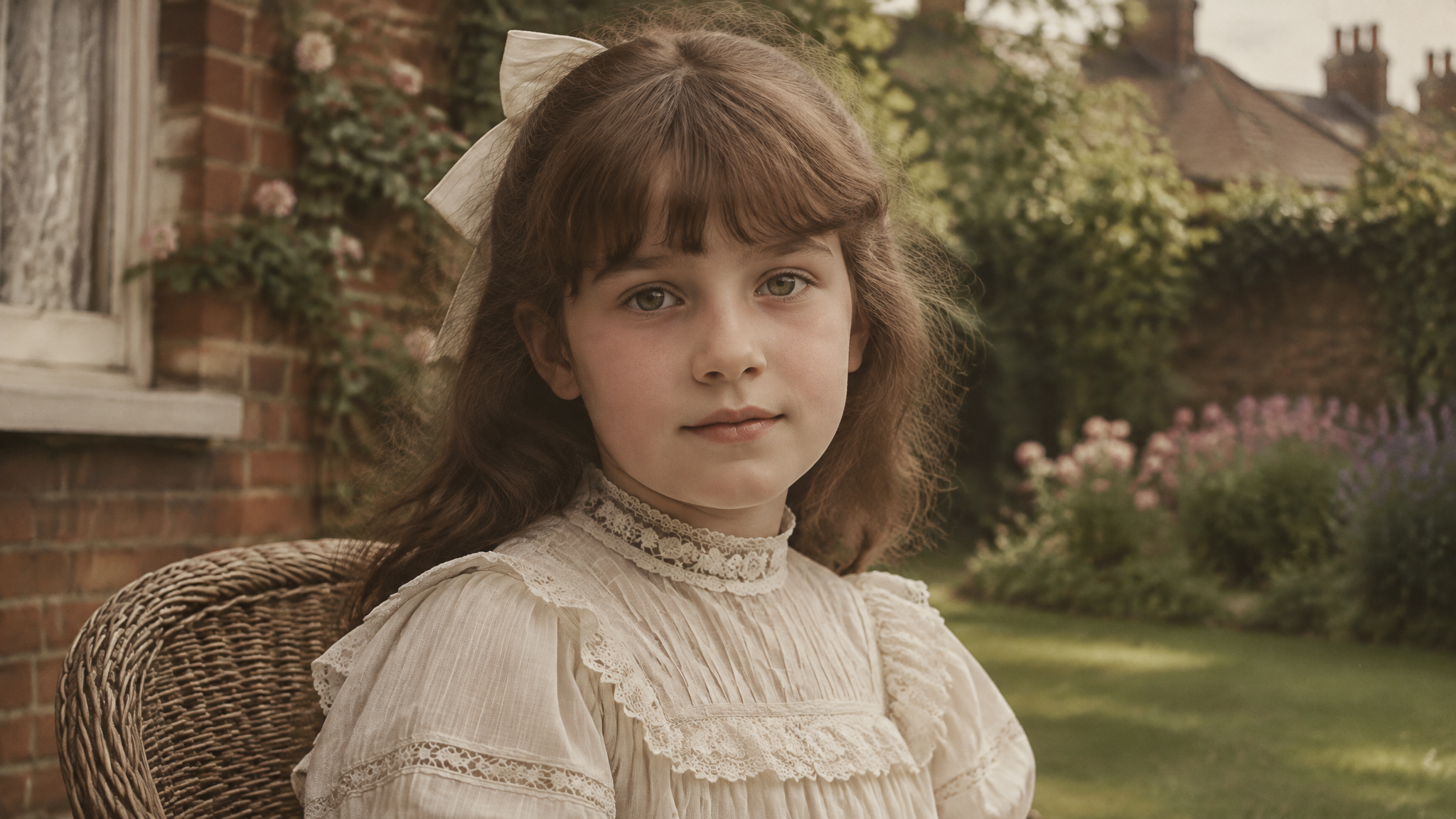
Dorothy Edie was born on 16 January 1904 in a suburb of London. When she was three years old, she fell down the stairs and died - a fact attested by the family doctor who was called home. True, after an hour the doctor was asked to come again - the girl was alive and perfectly healthy, except that it was already quite different Dorothy.
She spoke in her native English with a strange accent, then climbed under the table, cried and asked her parents to take her home. When asked where she wanted to go, the girl described a tall building with huge columns and beautiful gardens.
At the age of four, the family took Dorothy to the British Museum. The child was bored - right up to the moment when the girl entered the hall dedicated to ancient Egypt and saw the sculptures. To everyone’s surprise, Dorothy rushed to hug them and flatly refused to leave.
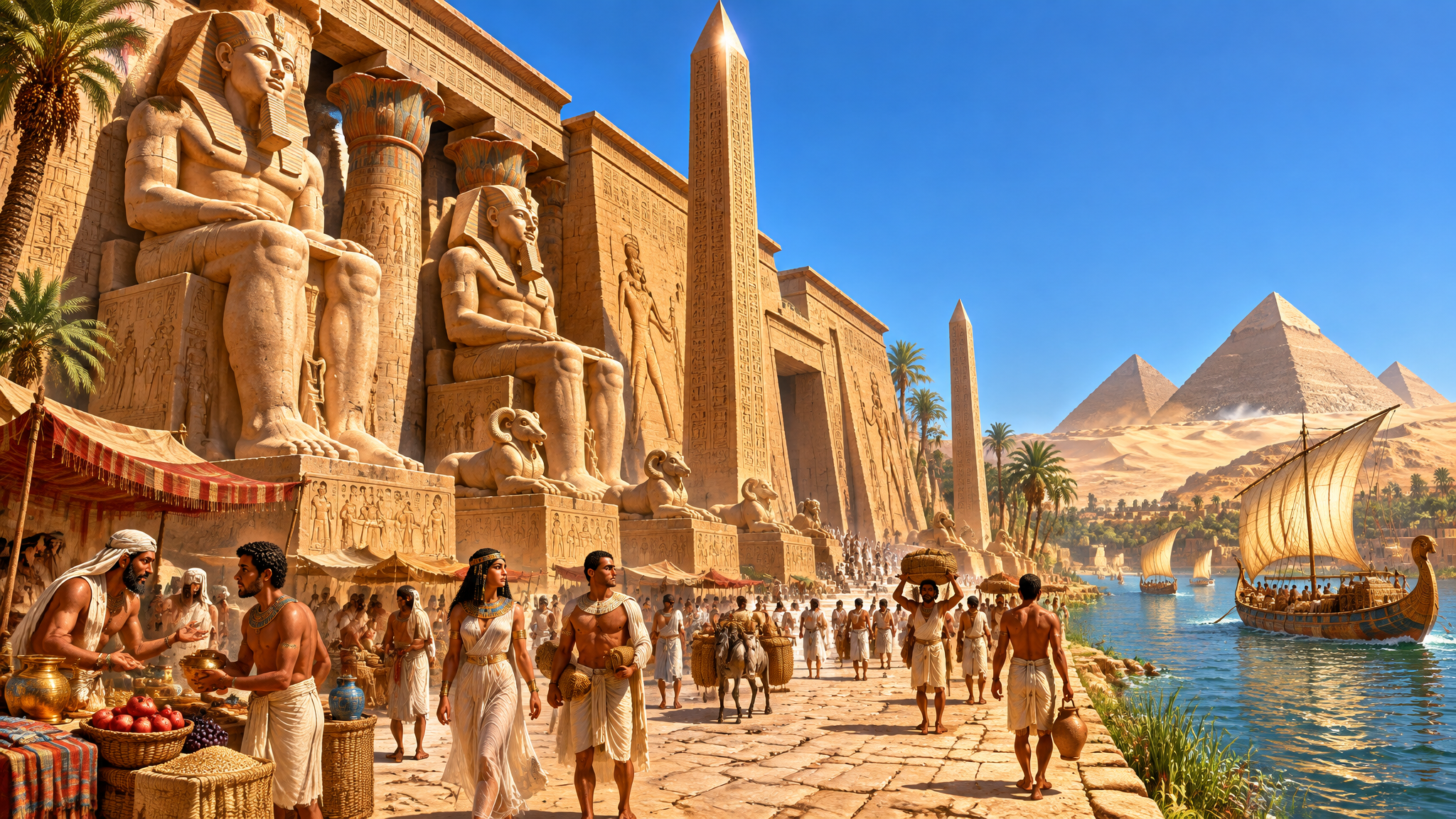
She repeated that they were her people, her men, and kissed the statues' feet. Looking at a photograph of the temple of Seti I, the 19th dynasty pharaoh of the New Kingdom (and Ramses II’s father), she said that this was her home. Dorothy was 15 years old when she described her first dream encounter with the mummy of Pharaoh Sethi I. She claimed that this dream helped her to remember a past life. As time passed, the girl became increasingly turned to ancient religion and distanced herself from her family.
In 1931, Dorothy married the Egyptian Eman Abdel Megid. This marriage was a ticket to her beloved Egypt, where she became an English teacher. When her feet touched Cairo for the first time, she knelt down and kissed the ground to which she had drawn her entire conscious life. In Egypt, her visions began to intensify.
As a British woman said, in her past life she was called Bentley, which means "the harp of joy". She was born 3,300 years ago to a family of soldiers and vegetable sellers. When Bentley was three, her mother died, and her father brought her up in a temple. At the age of 12, the high priest said that she must now either leave the walls of the holy abode or become a priestess. The girl did not want to leave, so she took a vow of celibacy and remained in the temple.
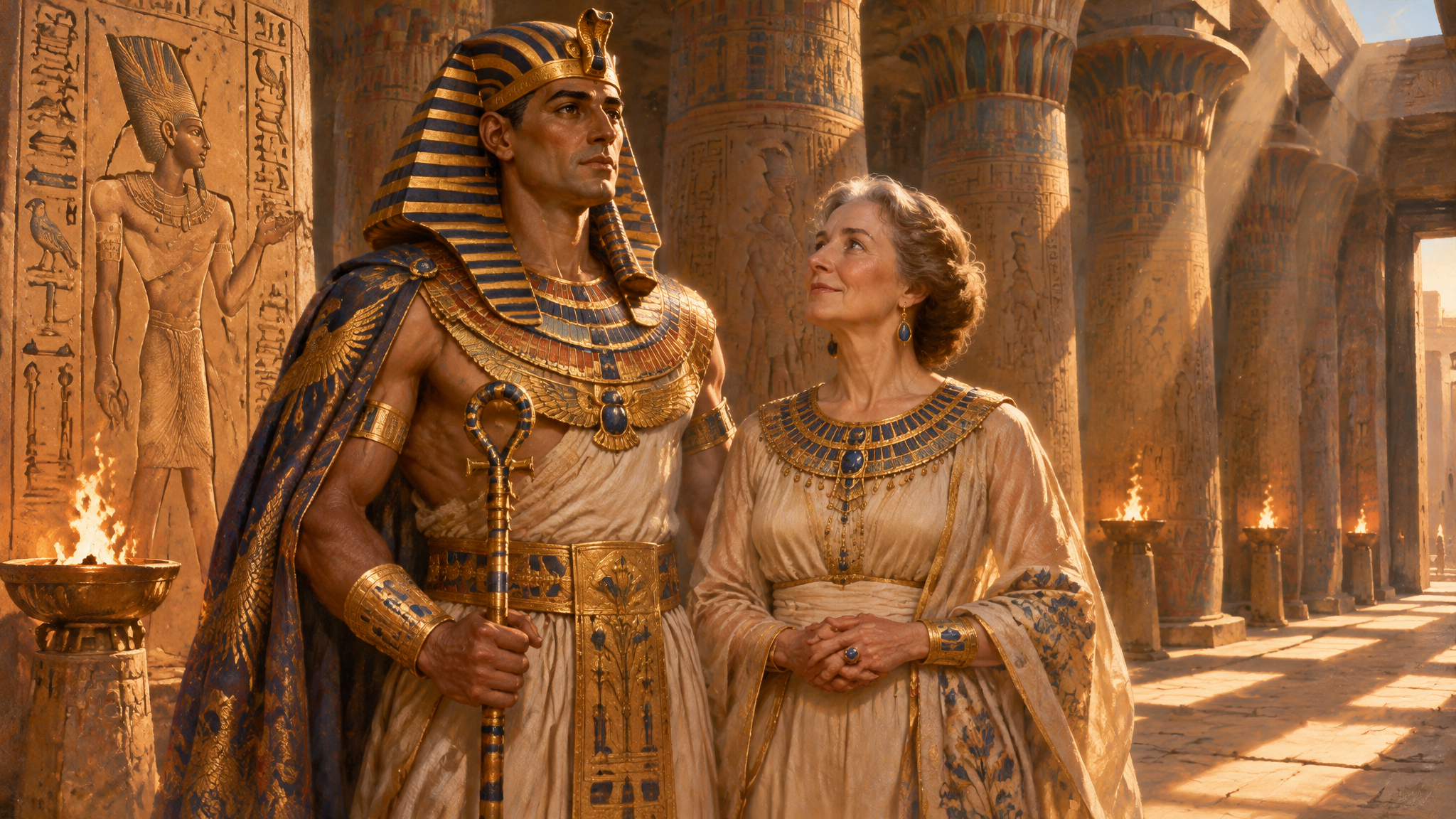
One day they were visited by the pharaoh of Sethi I, who was defeated by the beauty and youth of the young novice. Pentesheta could not resist the will of the pharaoh, she became his secret mistress and became pregnant. News about this spread quickly. For the violation of the vow of celibacy, a terrible punishment was given - death. To protect her lover from public humiliation, Bentley committed suicide.
Dorothy had a very deep knowledge of ancient Egypt, which amazed the experts. Dorothy Idi devoted her entire life to the study of ancient Egypt and became a valuable expert in this field.
She managed to find a job at the site of the excavation of the temple of Seti I in the Egyptian city of Abydos. The chief inspector of antiquities, who was skeptical about Dorothy’s stories, decided to check whether she was really a rebirth of the priestess of Bendreesch or just a fantasy. Britanka was offered to identify the recently found artifacts from the Temple of Sute I - palpably, in complete darkness. Dorothy described the drawings, decor and interior items quite accurately, which amazed everyone present, because only a few people knew about what was in the room at that time.
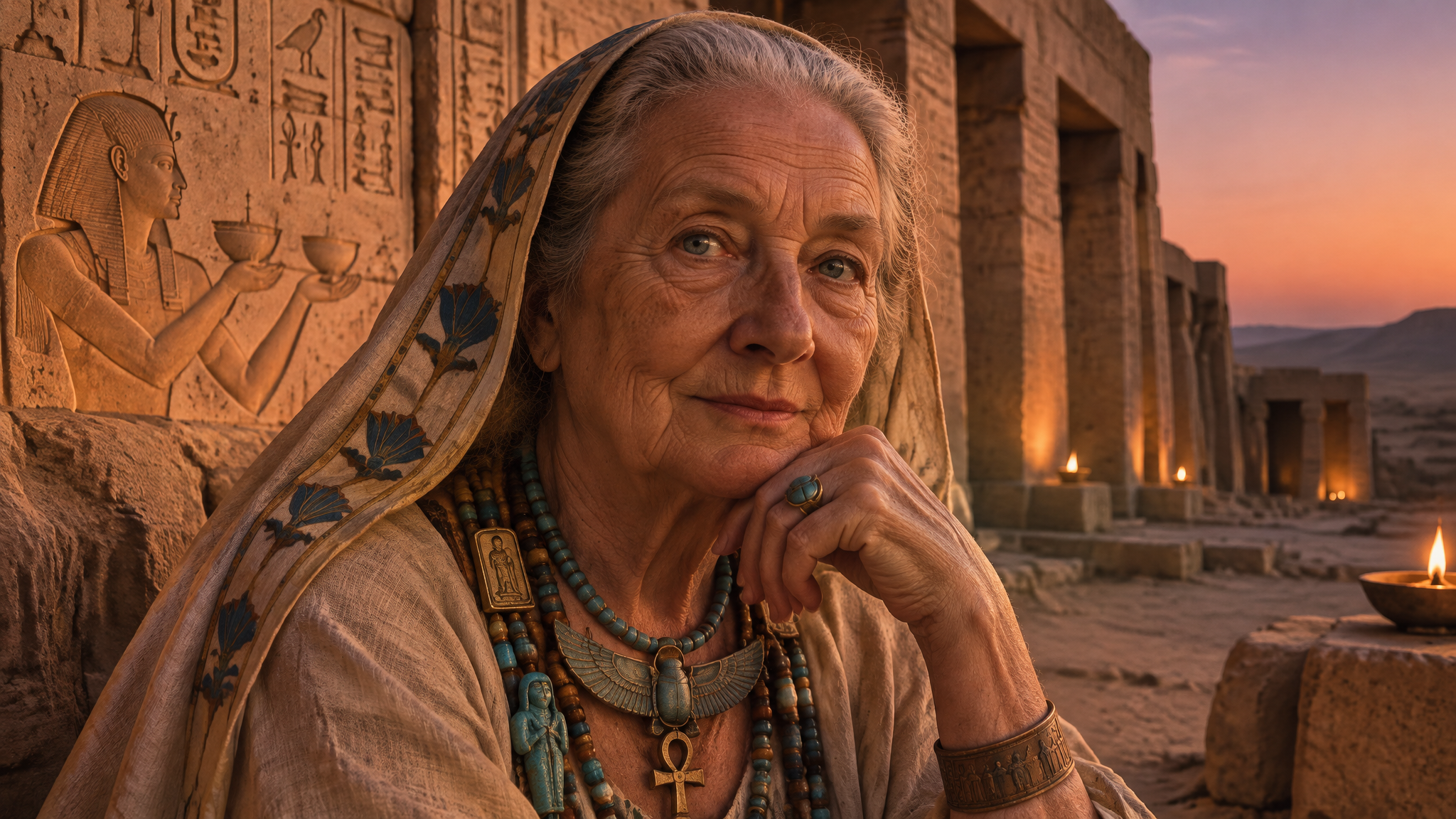
The scientists moved with their hands. From the standpoint of science, this was impossible, but Dorothy did know what she could not possibly learn from books - for example, a woman described with remarkable precision how prayers and rituals were performed in the temple. Through her stories, it was possible to restore the original appearance of reliefs and monuments. Dorothy knew by heart the plot of some ancient Egyptian papyri.
For decades, Edie has inspired scholars; her tales of life and death during the time of Suede I have touched many hearts. Her recollections have led to many discoveries. Following information from Dorothy, explorers under Otto Chaden discovered in the Valley of the Kings tomb KV63, which was located next to the Tutankhamun tomb and contained the remains of women from the time of the 18th dynasty.
When Dorothy retired, her son Sethi offered to move with him to Kuwait, but the woman refused. She wanted to die here in Egypt, next to "her" temple.
Dorothy Edi died at the age of 81. A woman was buried in a Coptic cemetery in Abydos. She waited quietly for death, believing it would help her reunite with her lover. Even decades after her death, some researchers are still trying to prove that the British woman was a common liar, possessing access to modern literature and excellent acting abilities. Others say she was one of the most charming women they have ever met.
Do you believe Dorothy could have been telling the truth?
Found an error? Request a correction · Our corrections policy


