United States may face a shortage of some types of missiles due to its ongoing conflict with Iran. Against this background, Iran continues to launch missile attacks and, as experts note, has not even started using its most powerful weapons. What arsenals does the Iranian army have today and what its basic tactics are ?
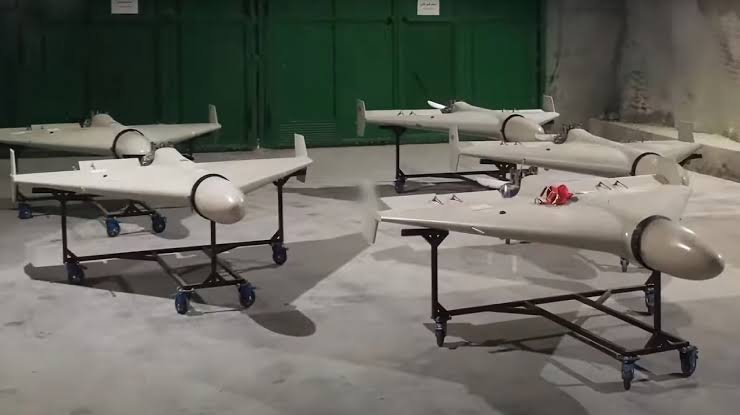
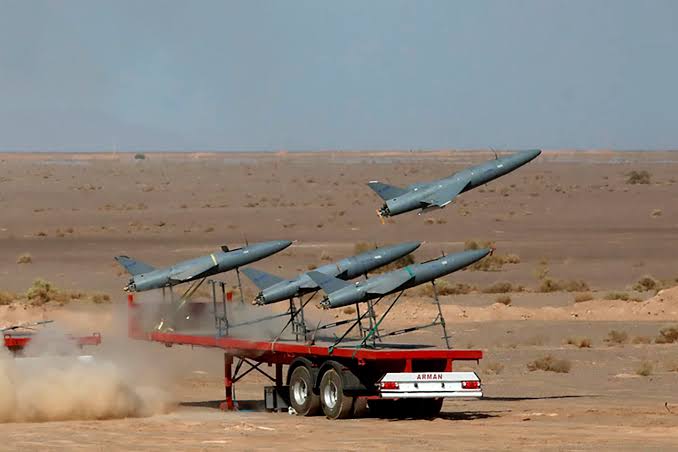
In terms of armament, Iran is placing its main bet on operational-tactical missile systems and "Shahed" type kamikaze drones.
Shahed type kamikaze drones. According to various data, they have a flight range of 1,000 to 2,000 kilometers, a flight corridor of 60 to 4,000 meters, and a cruising speed of about 150-170 kilometers per hour. The weight of a combat unit is 40-50 kilograms.
"The Iranian command built a decentralized system of control of combat actions in advance and created a network of missile bases and underground or rock shelters where these types of weapons are concentrated, - explained the expert. - This allows him today to attack the enemy and achieve certain successes, despite the fact that the advantage in power and means, as well as the dominance in the air as a whole remains on the side of Israel and the US.
Iran’s basic tactic is not to win by force, but to make hostilities as unprofitable as possible and the cost of war unacceptable to the Western world. Iran’s command is therefore focused on attacks against US bases and US logistics in the region. And on the key infrastructure sites of the Gulf states, so that their leaders influence US President Donald Trump to stop fighting.
As noted by world media, in 2026 Iran has the most powerful missile arsenal in the Middle East, including medium- and short-range ballistic missiles, as well as cruise missiles and spacecraft designed to compensate for the lack of modern high-efficiency combat aircraft. In particular, it is based on:
Khorramshahr are missiles with a maximum flight range of 2,000 kilometers and capable of carrying combat units weighing up to 1.8 tons. The Khorramshahr family includes several types of missiles, the latest modification of which was introduced in 2023.
The Shahab family ("Meteor" in Farsi). Has a range of 300-500 kilometers, missiles are able to carry the combat part weighing 750-1000 kilograms.
Fattah 1 and Fattah 2. The first hypersonic rockets, first announced for deployment in 2023. According to the developers, the rockets are capable of developing speeds up to 15 Mahs (about 18,500 kilometers per hour) and covering distances up to one and a half thousand kilometers. The combat part is executed dividing, with the possibility of simultaneous defeat of several targets.
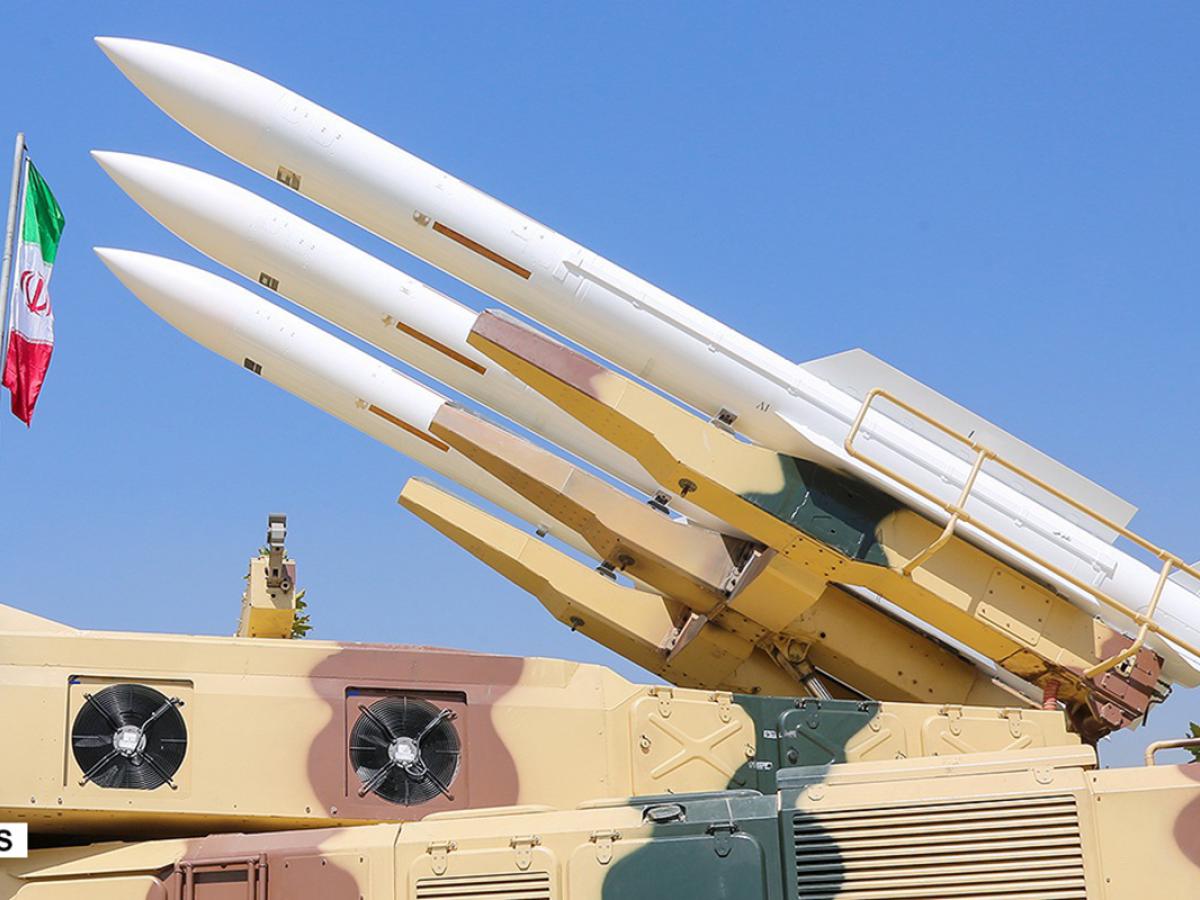
Zolfaghar (named after the sword that the prophet Muhammad supposedly wielded) and its modifications Dezful and Haj Qasem. Refer to short-range missiles with effective strike distance from 500 to 1.4 thousand kilometers. Haj Qasem, in particular, is one of the main tools for suppressing missile defense systems by means of a heavy battle unit weighing up to 500 kilograms, as well as increased maneuverability. Dezful, in turn, can be launched from standard sea containers, turning cargo ships into disguised missile carriers.
Iran does not have nuclear weapons...
Iran’s top brass have repeatedly stated - "We have weapons more powerful than nuclear bombs," - "We are using our country’s potential and capabilities to 100 percent, so today we have unlimited power."