Every war is terrible and unforgivable, for it takes human lives, a sense of security, and hope for a peaceful tomorrow. The First and Second World Wars, the Crimean War, the Napoleonic Wars - these tens and even hundreds of wars have claimed millions of lives, destroyed thousands of cities, and shattered the peace of the world.
But the history of mankind also remembers such unique conflicts, in which no one died! Formally, these events have been called wars, but the number of official casualties during "military clashes" is zero.
War 335
This conflict, known as the Three Hundred Thirty-Five Years' War, is rightly considered one of the longest in history. Despite its formidable Dutch Driehonderdvijfendertigjarige Oorlog, no shots were fired between the warring parties.
The war began on 30 March 1651 during the English Civil War, when royalists were fighting against supporters of parliament. As a result of the conflict, the royalists were defeated and retreated to the islands of Silli. Parliamentarians were supported by the Netherlands, which declared war on royalists for destroying Dutch ships and goods. However, as most of England was already under the control of parliamentarians, the Netherlands declared war only on the Silli islands.
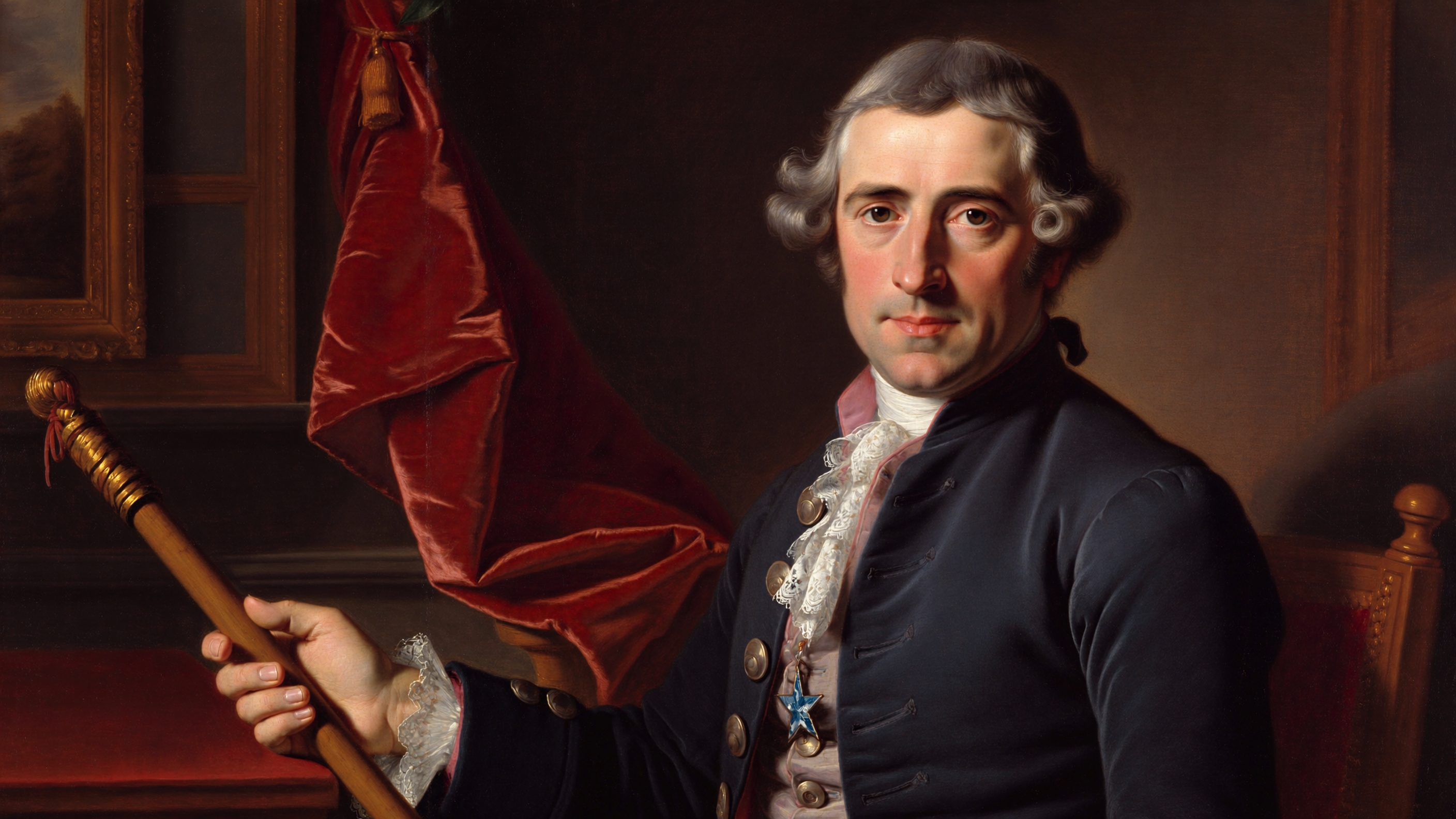
In June 1651, the royalists surrendered to the English. However, the Dutch did not give up and the war continued until a peace treaty was concluded on 17 April 1986. Thus, the de jure war lasted 335 years, although there was no de facto shooting between the warring parties.
The Alcohol War
The conflict, known as the "War for Hans Island", began in 1973 due to disagreements between Canada and Denmark over borders. As a result, the island of Hans was regularly visited by Canadian military personnel, who planted the Canadian flag and left behind a bottle of whiskey. Then the Danes arrived on the island, changed their flag to their own and left a bottle of schnapps. The process was repeated many times, with each side alternately setting up their symbols on the island.
Despite decades of conflict, on June 14, 2022, Canada and Denmark finally signed an agreement that ended the long dispute. Hans Island was divided into two parts, and each country received its own territory.
As part of the ceremony, representatives from both countries exchanged bottles of national drinks for the last time. As a result of this conflict, the only "victims" were bottles of whiskey and schnapps that had been drained. But now, thanks to the peace agreement, both sides can enjoy the world and their territories without further claims or disputes.
The Arctic War
In 1838, a conflict broke out between the state of Maine and the province of New Brunswick, which became known as the Arunutus War. The conflict began due to disputes over the boundaries for chopping trees. Despite attempts at a diplomatic settlement, on 29 December 1838 there was an exchange of fire between foresters from the U.S. and Canada when they were trying to cut down trees in the grounds of the American officer William Eton. Several people were injured during the exchange of fire - not from bullets, but from an attack by a black bear that ran into gunshots and screams.
In February 1839, several Canadian lumbermen were arrested, prompting both sides to assemble militias. The militia on each side was able to gather between 3,000 and 10,000 men, and if they had joined the fight, the death toll could have reached hundreds.
However, thanks to the efforts of the US and the United Kingdom, the conflict ended with the signing of the Webster-Ashburton Treaty, which provided a solution for the border between the US and Canada.
Fortunately, the conflict has resulted in no casualties. However, just after the peace treaty was signed, during a celebration, cheerful soldiers accidentally shot dead an American farmer. Although this killing was not a war victim, it remained a tragic accident in the history of the conflict.
"The War of the Supine"
In 1784, a conflict arose between the Netherlands Republic of the United Provinces and the Holy Roman Empire, which was called the "War of the Puny". This was due to the barriers that the Dutch had erected at the mouth of the Scheldt river as early as 1585 to prevent access to the ports of Antwerp and Ghent for merchant ships from southern provinces not owned by them.
By the middle of the 18th century, there were changes in diplomatic relations between countries: Austria became an ally of France, and Prussia, previously friendly with France, moved to the side of England. In connection with this, the SRI emperor demanded that his ships be allowed to pass to the French allies and threatened war. In response, a Dutch warship fired one shot at the tanker pan on the trading ship’s deck, leading to a declaration of war against the Netherlands. Austrian troops occupied the fortress at Lillo and sank the Dutch territories, but with French mediation the conflict was resolved.
The river Schelde remained closed to shipping, but the Netherlands was obliged to pay compensation for the attack on the dinghy.
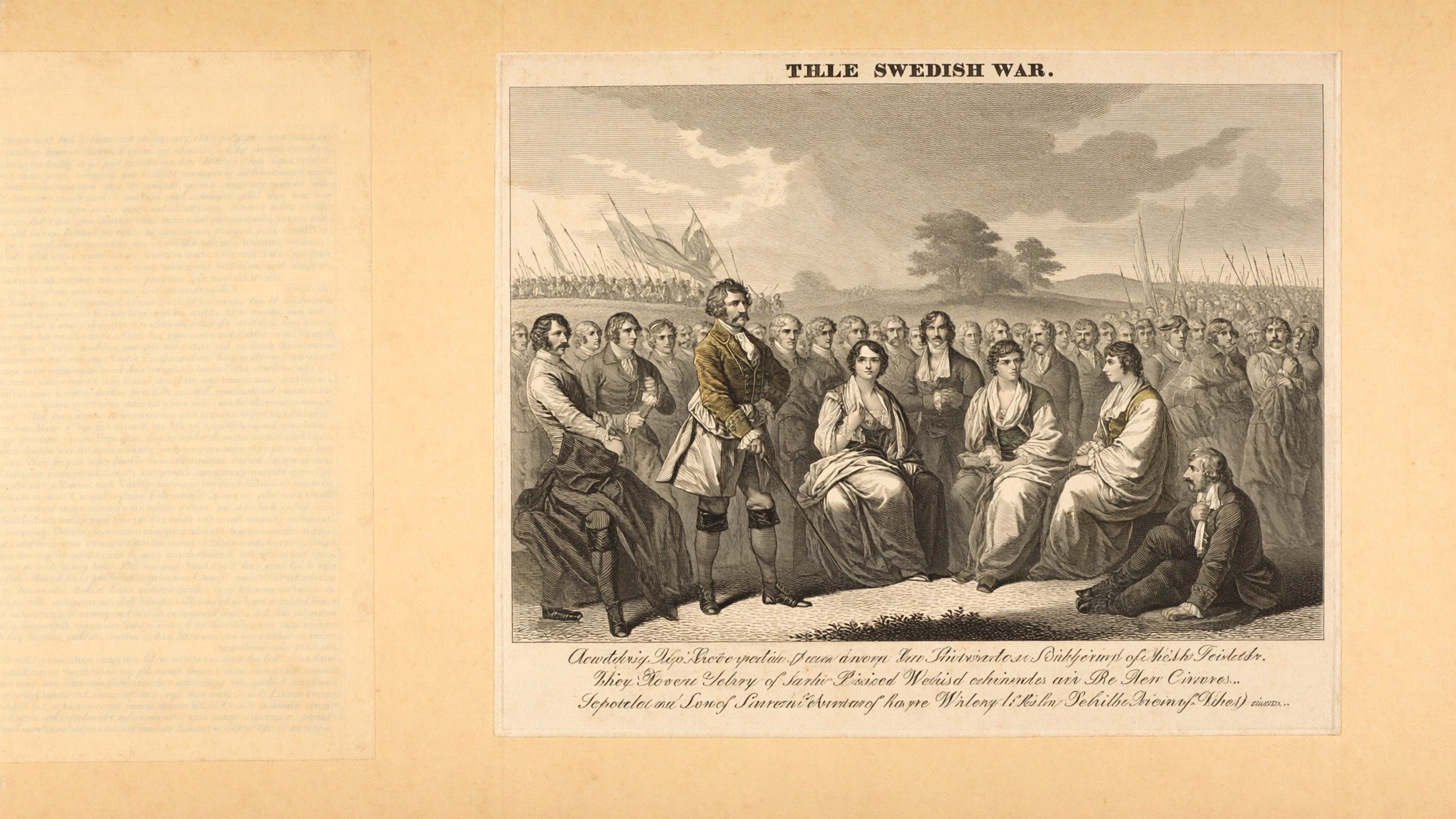
Anglo-Swedish War
In the early 19th century, Sweden and Britain were allies fighting against France under Napoleon Bonaparte.mHowever, the Russo-Swedish War of 1809, which forced the Swedes to make peace with France in 1810, obliged Sweden to join the continental blockade of Great Britain and declare a trade embargo.
As a consequence, on 13 November 1810 Sweden declared war on the United Kingdom and confiscated all English ships and goods in Swedish ports. However, no clashes were recorded.
The Swedes even allowed the British to use their port for parking. The peace between Sweden and Great Britain was signed on 18 July 1812, and no murders were committed in this war.