
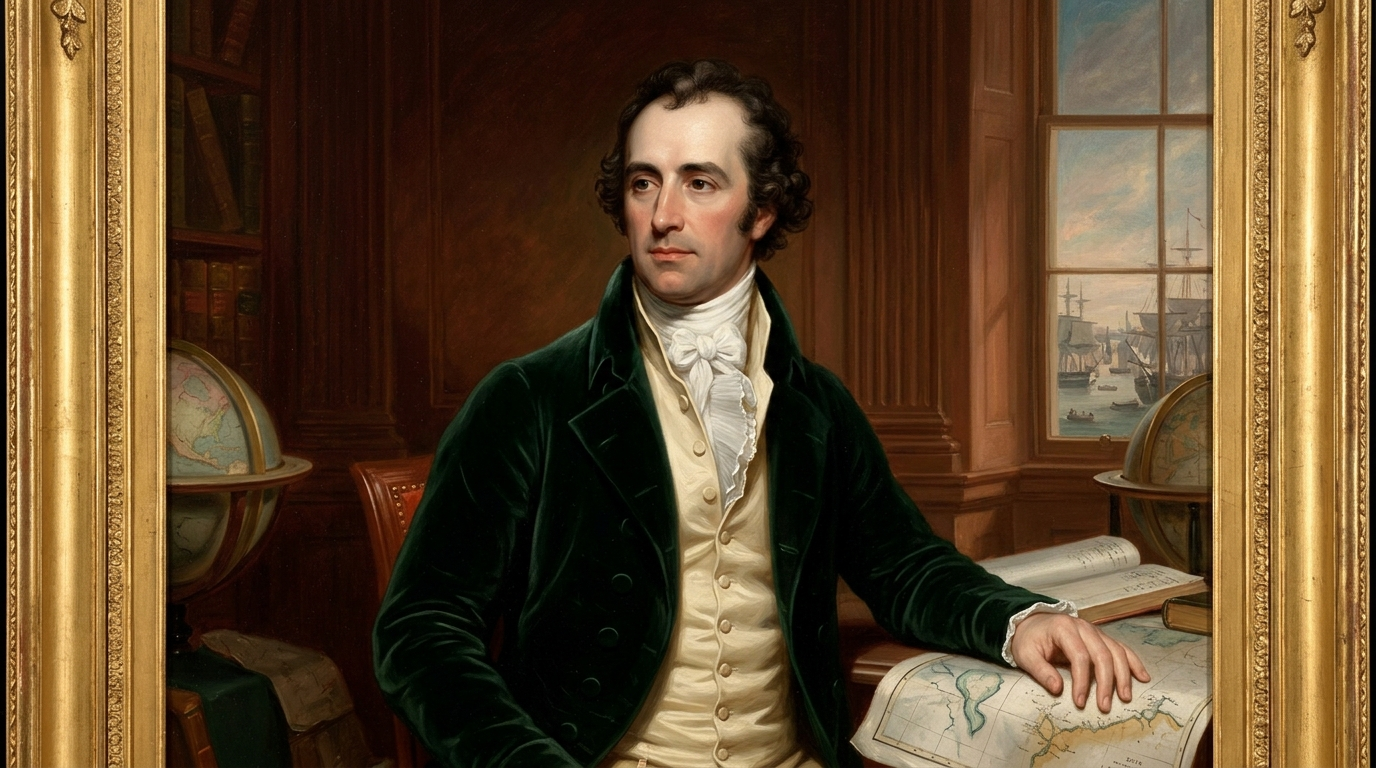
The concept of a "millionaire" is so deeply embedded in modern society that it is hard to imagine a time when the word did not exist. While wealthy kings, emperors, and merchants ruled the ancient economies, the term "millionaire" was officially coined in the early 19th century to describe one specific man.
That man was John Jacob Astor, a German-born immigrant who arrived in the United States with nothing and died as the world's first widely recognized millionaire.
From Humble Beginnings to Global Commerce
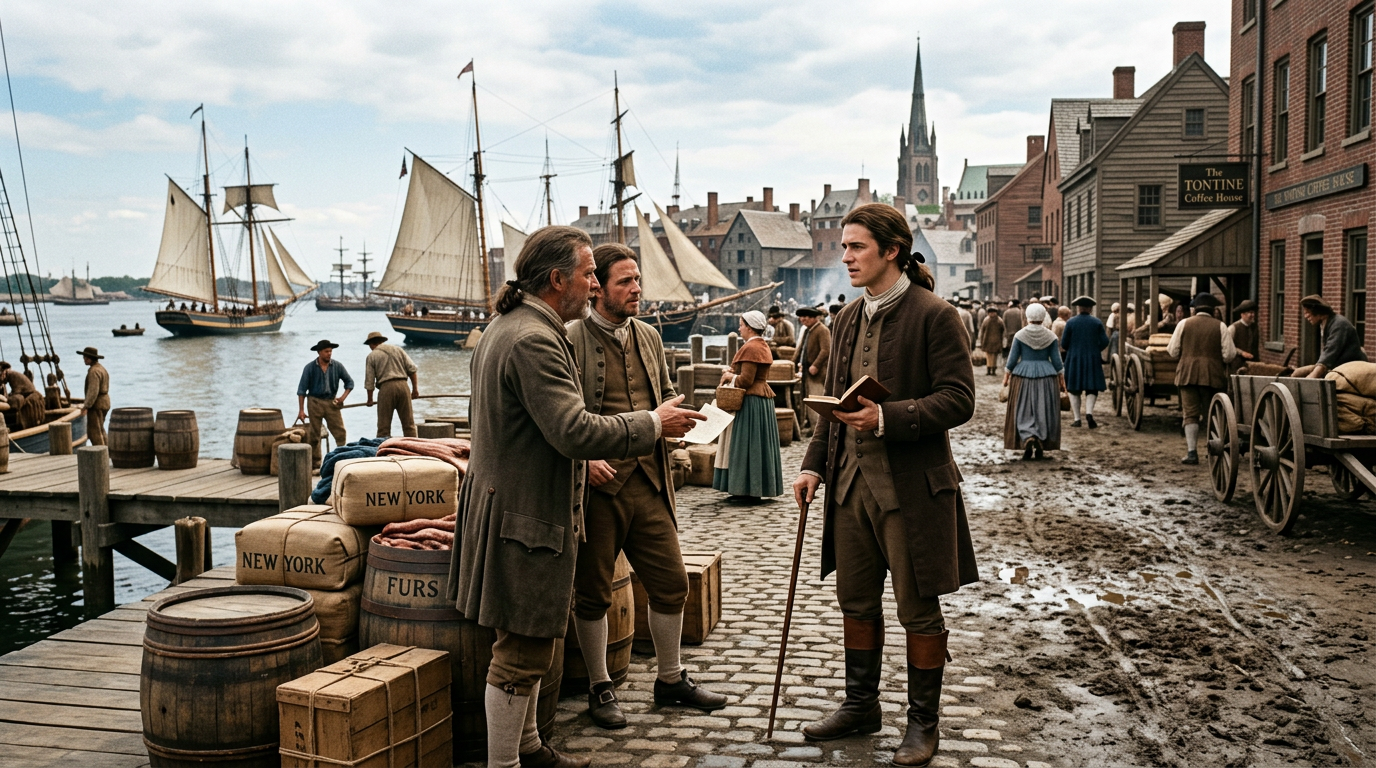
Born Johann Jakob Astor in 1763 in a small German village, his beginnings were modest. The son of a butcher, Astor left his homeland as a teenager, spending time in London before boarding a ship to a newly independent America in 1783. He arrived in New York City with little money, a few flutes under his arm, and a burning ambition.
Astor quickly noticed the enormous potential of the North American fur trade. He began buying pelts from Native Americans and trappers, then exporting them to Europe at an immense profit. By the early 1800s, his American Fur Company had established a near-total monopoly on the industry, stretching from the Great Lakes all the way to the Pacific Coast. Not content with just fur, Astor expanded his trade networks to China, exporting valuable American goods and importing tea, silk, and opium, cementing his status as a titan of global commerce.

The Masterpiece of Manhattan Real Estate
While fur made Astor rich, it was his brilliant, calculated pivot into New York City real estate that made him the world's first true millionaire. In the early 1800s, Manhattan was mostly farmland. Foreseeing the rapid growth of the city, Astor began aggressively buying up tracts of land outside the developed city limits.
Instead of building on the land himself, he leased it out to others to build homes and businesses, creating a massive, passive stream of wealth. As New York transformed into a booming global metropolis, the value of his real estate portfolio multiplied exponentially. By the time of his death in 1848, he owned vast portions of Manhattan, earning him the title of "the landlord of New York."
A Lasting Economic Legacy
When John Jacob Astor passed away, his estimated net worth was roughly $20 million. While that number sounds modest today, in the mid-19th century, it was an unfathomable sum, representing a significant percentage of the entire United States Gross Domestic Product (GDP).
Astor’s success permanently changed the cultural understanding of wealth, proving that in the new industrial age, an individual could accumulate a fortune larger than that of European royalty. Part of his vast fortune was used to found the Astor Library, which later merged to become the iconic New York Public Library, leaving a physical and intellectual legacy that stands to this day.