Beyond the ghost-city label
Abandoned settlements are often marketed as eerie playgrounds, but each is evidence of real work, displacement, disaster or economic change. Some are protected museums; others remain contaminated, structurally unstable or closed to visitors. The ten places below are not ranked by how frightening they look. They illustrate different reasons communities shrink or disappear and why preservation requires more than dramatic photography.
Ten places, ten different histories
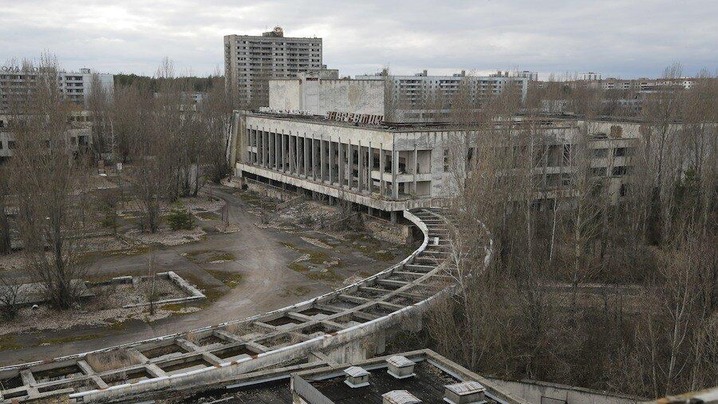
- Pripyat, Ukraine: Built for workers at the Chornobyl nuclear power plant, Pripyat was evacuated after the 1986 reactor disaster. It remains within a controlled exclusion zone. War, radiation and damaged infrastructure make current access a matter for Ukrainian authorities, not informal tourism.
- Bodie, United States: This California gold-mining boomtown is preserved in a state of arrested decay. More than 100 buildings survive, offering a material record of mining, commerce and the Chinese community that faced discrimination while sustaining local services.
- Humberstone and Santa Laura, Chile: These former saltpeter works in the Atacama Desert document an industry that transformed northern Chile. UNESCO recognition focuses on industrial culture and workers' communities, not simply empty structures.
- Sewell, Chile: Built high in the Andes for the El Teniente copper mine, Sewell grew around steep pedestrian routes and a central staircase. It was largely abandoned when workers were moved to Rancagua; access is controlled through authorized operators.
- Hashima, Japan: The compact island settlement supported undersea coal mining and emptied after the mine closed in 1974. Its history includes wartime labor by Koreans and others under coercive conditions, which should not be erased by its cinematic ruins.
- Kolmanskop, Namibia: Diamond extraction created this company town near Lüderitz. Desert sand now fills many buildings, but the site is managed and entry requires permission, reflecting both heritage protection and the restricted diamond area around it.
- Craco, Italy: Landslides, infrastructure problems and earthquake risk drove relocation from this hill town in Basilicata. Its fragile buildings demonstrate why picturesque ruins require stabilization and regulated access.
- Rhyolite, United States: A brief gold rush produced a Nevada town with a bank, rail links and public buildings before investment and population collapsed. The surviving ruins are managed on public land near Death Valley.
- Kayaköy, Türkiye: Stone houses and churches preserve the landscape of a former Greek Orthodox community displaced during the compulsory population exchange between Greece and Türkiye in the 1920s. The site is inseparable from that human loss.
- Pyramiden, Svalbard: This Soviet mining settlement was largely evacuated in 1998. Its Arctic location, wildlife and remoteness make organized travel and local safety guidance essential.
How to visit responsibly
Check the official manager's current rules before traveling. Legal access can change because of fire, war, conservation work, unstable structures, wildlife or contamination. Never enter fenced buildings, mines or tunnels; floors and roofs may fail without warning. Do not remove objects, write on surfaces or stage images that trivialize death and displacement. In inhabited regions, remember that former residents and descendants may regard the site as home rather than spectacle.
A good visit asks what sustained the settlement, who benefited, who bore the risks and why departure occurred. Industrial archaeology, oral histories and preservation plans often tell a richer story than decay alone. These places matter because they make large forces—resource booms, state policy, environmental hazards and migration—visible at human scale.
Sources: U.S. National Park Service: Bodie; UNESCO: Sewell Mining Town; UNESCO: Humberstone and Santa Laura; UNESCO: Sites of Japan's Meiji Industrial Revolution; National Park Service: Rhyolite.