Lessons from decisions, not internet quote cards
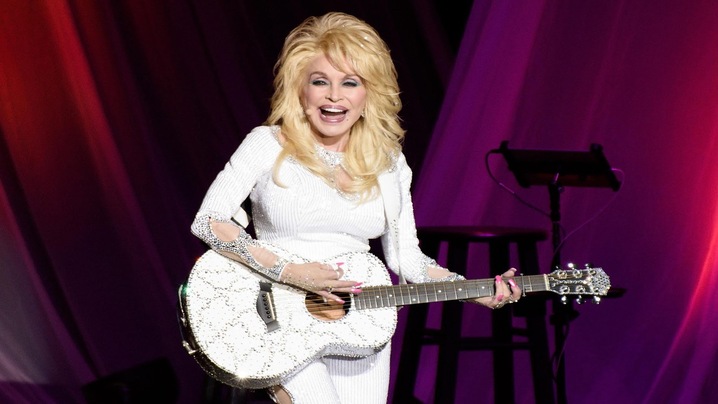
Dolly Parton’s career offers more than a collection of inspirational lines. Her recorded work, business choices, public persona, and literacy philanthropy show how creative identity can be sustained over decades. The lessons below are interpretations of documented actions, not claims that she spoke these exact words.
1. Make specificity universal
Parton’s songs often begin with concrete Appalachian places, family memories, clothing, work, and social judgment. Precise detail makes emotion credible; it does not prevent a broad audience from recognizing itself.
2. Treat authorship as an asset
Songwriting credits and publishing rights can outlast a single performance. Creators should understand contracts, ownership, licensing, and the long-term value of their catalog before a moment of leverage arrives.
3. Know the difference between collaboration and control
A useful partnership can expand an audience without requiring permanent dependence. Parton’s career shows repeated movement among collaborators, labels, genres, film, television, and live entertainment while retaining a recognizable center.
4. Build a public identity you can inhabit
Her heightened visual style is deliberate and consistent. A distinctive persona works when it is flexible enough for the person behind it to age, experiment, and speak seriously without appearing to abandon the brand.
5. Let humor lower defenses
Self-aware humor can answer criticism without surrendering dignity. It also creates room to discuss ambition, class, appearance, and stereotypes on terms set by the speaker.
6. Keep the craft visible
Celebrity can obscure technical skill. Returning attention to melody, narrative structure, vocal interpretation, and prolific writing helps explain why the career endured.
7. Cross genres without pretending history began with you
Parton has worked across country, pop, bluegrass, gospel, film music, and rock. Productive reinvention acknowledges collaborators and traditions instead of treating a new genre as a costume.
8. Turn origin stories into service
The Imagination Library began in Sevier County, Tennessee, and was inspired in part by her father’s inability to read. The program translated a family experience into a repeatable community model.
9. Remove stigma from assistance
Participating children receive books regardless of family income. Universal access avoids forcing parents to prove hardship and frames reading as a shared opportunity rather than charity reserved for a labeled group.
10. Design philanthropy for repetition
One donated book is helpful; a book mailed every month from birth to age five creates routine. Programs become durable when delivery is simple, predictable, and locally supported.
11. Use partners to scale
Local affiliates help fund and enroll children, while the central organization manages book selection and fulfillment. That division lets a clear idea adapt to different communities and countries.
12. Measure milestones without confusing them for impact
Book totals are visible and motivating, but the deeper goal is regular exposure to reading. Strong programs celebrate distribution while continuing to study participation, reach, and outcomes.
13. Preserve work for future listeners
The Library of Congress added “Coat of Many Colors” to the National Recording Registry for its cultural, historical, or aesthetic significance. Preservation turns popular entertainment into an accessible historical record.
14. Make longevity a creative project
A long career is not one uninterrupted peak. It requires adjusting formats, audiences, touring, media, and business structures while deciding which values should remain stable.
15. Be generous without performing perfection
Public service is more credible when attached to a concrete mechanism people can examine and join. The institution matters more than a heroic image of the founder.
16. Verify before sharing
If a supposed Parton quotation has no interview, recording, book, or official transcript behind it, present it as unverified. Admiration does not improve weak provenance.
Sources: Dolly Parton’s Imagination Library; The Dollywood Foundation; Library of Congress: National Recording Registry; Library of Congress: Dolly Parton collection.