No defensible formula can identify the ten “best” pop singers. Vocal technique, songwriting, sales, innovation, performance, and cultural reach measure different things, while English-language charts capture only part of a global field. This non-ranked selection uses documented recordings and influence to show ten distinct ways artists changed popular music.
Aretha Franklin
Franklin brought gospel training, rhythmic authority, and interpretive power into soul and mainstream pop. Her recordings made voice, piano, arrangement, and civil-rights-era meaning inseparable. Influence here is not simply a high-note contest; it is the ability to transform an existing song into a definitive personal statement.
The Beatles
As singers, writers, and a studio group, the Beatles helped shift pop albums from collections of songs toward deliberately sequenced works. Their collaborations with producer George Martin expanded the studio’s role as an instrument. Their global success also changed touring, fandom, and the economic scale of youth culture.
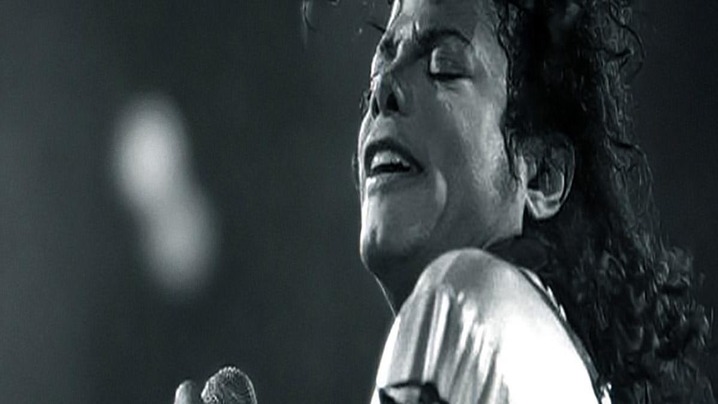
Michael Jackson
Jackson joined precise vocal phrasing, dance, short-film storytelling, and mass-market recording into a model for the modern global pop star. Albums such as Off the Wall, Thriller, and Bad crossed industry categories and shaped later performers. A complete historical account should address both the art and the serious controversies surrounding his life.
Madonna
Madonna repeatedly treated image, choreography, music video, fashion, and provocation as parts of one pop practice. Her work tested boundaries around gender, sexuality, religion, and control of a public persona. Reinvention became not just publicity but an artistic and commercial method.
Prince
Prince’s singing, songwriting, instrumental skill, production, and prolific output challenged neat divisions among pop, funk, rock, and R&B. His disputes over ownership and contracts also made artist control part of the public conversation, influencing how later musicians discuss masters and creative independence.
Whitney Houston
Houston combined clarity, range, control, and gospel-rooted phrasing with sophisticated pop production. Her approach became a reference point for generations of vocalists and talent-show contestants. Her influence is audible in both restrained verses and climactic arrangements built around the lead voice.
Selena
Selena Quintanilla-Pérez expanded the audience for Tejano music and embodied a bilingual, bicultural form of stardom. Her Spanish-language catalog, live charisma, fashion, and crossover ambitions made her a lasting figure in U.S. Latino culture. Her career also demonstrates why pop history cannot be reduced to one language.
Fela Kuti
Fela’s long-form Afrobeat recordings joined jazz, funk, Yoruba musical ideas, sharp ensemble discipline, and political critique. Although “pop singer” is an imperfect label for him, his influence on globally circulating popular music is immense. His work foregrounds the relationship between performance and political risk.
Björk
Björk has used electronic production, unconventional arrangements, visual art, and technology to reconsider what a pop album can be. Her work moves between intimacy and experimentation without treating accessibility and complexity as opposites.
Beyoncé
Beyoncé’s career links vocal performance, choreography, visual albums, touring scale, and detailed authorship. Projects drawing on Black musical traditions have widened mainstream conversations about genre, history, and ownership. Her evolution from group member to album-focused solo artist reflects major changes in twenty-first-century release strategy.
How to build your own list
- Define whether you are judging voices, recordings, songwriting, performance, or influence.
- Compare artists within their technological and social context.
- Include regions and languages beyond the largest U.S. and U.K. charts.
- Use institutions as evidence, not as final arbiters of taste.
The Library of Congress explicitly says its National Recording Registry preserves works of cultural, historical, or aesthetic significance rather than declaring them the best. That is a useful model: pop history becomes richer when a list opens discussion instead of pretending to settle it.
Sources: Library of Congress; National Recording Registry; Recording Academy; Rock & Roll Hall of Fame.