The problem with the wonder-weapon story
Nazi propaganda promoted Wunderwaffen—miracle weapons that supposedly could reverse Germany's defeat. Later popular culture repeated the claim, often admiring futuristic designs without asking whether they were reliable, strategically useful or produced through criminal exploitation. Some German systems were technically important, but innovation is not the same as effectiveness. They arrived amid shortages, bombing, collapsing logistics and decisions that diverted resources from proven equipment.
Ten technologies in context
- V-2 ballistic missile: The V-2 was the first long-range guided ballistic missile and a major step in liquid-fueled rocketry. It was too inaccurate and expensive to alter the war's outcome. Its production at Mittelwerk relied on enslaved prisoners from Mittelbau-Dora; thousands died under brutal conditions.
- V-1 flying bomb: This pulsejet-powered cruise missile attacked cities from 1944. It was cheaper than the V-2 but vulnerable to fighters, anti-aircraft guns and barrage balloons. Its purpose was terror as much as military damage.
- Messerschmitt Me 262: The first operational jet fighter was substantially faster than piston-engine opponents. Unreliable engines, limited fuel, vulnerable takeoffs and small numbers constrained its impact.
- Arado Ar 234: This jet-powered reconnaissance aircraft and bomber could outrun many interceptors. Payload, production and maintenance limitations prevented it from becoming a strategic game changer.
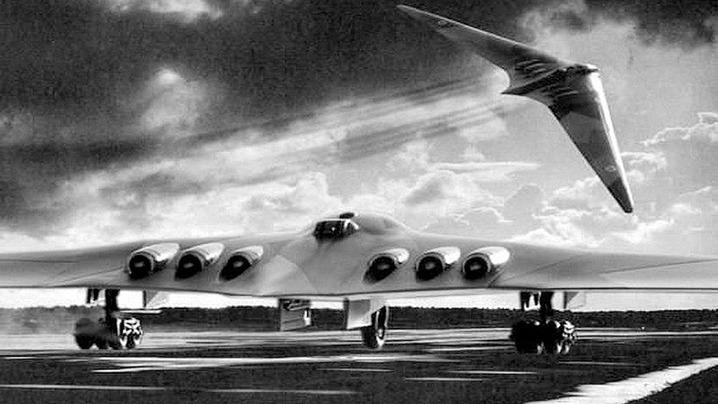
- Horten Ho 229: A flying-wing jet prototype demonstrated an unusual configuration, but it did not enter operational service. Claims that it was a mature stealth bomber project go beyond the evidence.
- Fritz X: This radio-guided glide bomb sank the Italian battleship Roma and damaged Allied ships. Electronic countermeasures and the need for the launching aircraft to maintain guidance limited later effectiveness.
- Hs 293: Another guided anti-ship weapon, the Hs 293 combined a rocket boost with radio command guidance. It foreshadowed later precision weapons but remained susceptible to disruption and tactical constraints.
- Type XXI submarine: Designed for sustained underwater operation, the Type XXI influenced postwar submarine development. Few completed boats became combat-ready, and rushed production caused serious quality problems.
- Me 163 Komet: The rocket-powered interceptor climbed rapidly but had little endurance. Volatile propellants, hazardous landings and limited firing time made it dangerous to its own pilots as well as opponents.
- Goliath tracked mine: This small remotely controlled demolition vehicle carried explosives toward a target through a cable link. It was slow, vulnerable and costly, illustrating how novelty could exceed battlefield value.
What these projects actually teach
Advanced programs compete for engineers, factories, fuel and scarce materials. A weapon that performs impressively in a test can fail as a system if crews cannot train, spare parts do not arrive or production tolerances collapse. Germany's late-war projects suffered all of these problems. Allied forces also adapted through radar, jamming, interception tactics, bombing and capture of launch sites.
The postwar influence of German research is real but morally complicated. The United States and Soviet Union took hardware and specialists into their missile programs. That transfer must be discussed alongside the forced labor and civilian attacks embedded in the technology's wartime development. Calling the machines super weapons reproduces propaganda; studying their tradeoffs reveals more about engineering and dictatorship.
The central lesson is not that Germany nearly won with secret technology. It is that spectacular prototypes could not overcome strategic defeat—and that technical achievement pursued without human rights can carry an appalling cost.
Sources: Smithsonian: Myth of German wonder weapons; Smithsonian: V-2 object history; NASA: Wernher von Braun and the V-2; U.S. Holocaust Memorial Museum: Dora-Mittelbau.