
Why “disappeared” is usually the wrong word
Ruined cities invite dramatic stories, but an abandoned capital is not the same as a vanished people. Archaeologists usually find overlapping causes: shifting rivers, drought, warfare, changing trade, political fragmentation, disease, or migration. Descendant communities may remain even when a state or urban system ends. These ten examples are better understood as transformations than mysteries with a single hidden answer.
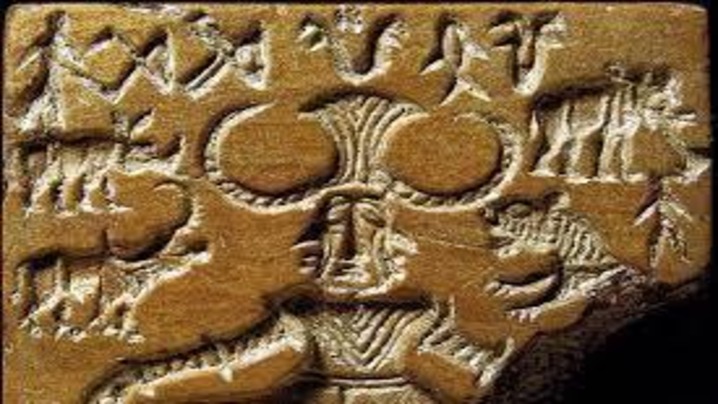
- Indus civilization: Cities including Mohenjo-daro and Harappa flourished through sophisticated planning and long-distance exchange. Urban life declined after about 1900 BCE amid changing settlement patterns, river systems, and trade. The script remains undeciphered, limiting certainty, but there is no evidence that the population simply vanished.
- Classic Maya city-states: Many southern lowland centers lost population and royal authority in the eighth through tenth centuries. Drought, conflict, political instability, and pressure on resources all contributed. Maya peoples and languages continue today, and northern centers remained active after southern dynasties fell.
- Angkor: The Khmer capital’s enormous water system supported a major urban region. Climate variability, infrastructure strain, political change, and new trade patterns weakened Angkor’s central role in the fourteenth and fifteenth centuries. Khmer society continued beyond the city’s decline.
- Cahokia: Near present-day St. Louis, Cahokia became North America’s largest pre-Columbian urban center north of Mexico. Population fell before European colonization, possibly through environmental stress, social change, conflict, and altered regional networks. Its earthworks preserve evidence of Indigenous engineering and ceremony.
- Chaco Canyon communities: Ancestral Pueblo people built monumental great houses in the U.S. Southwest. By the late thirteenth century, many residents had moved, influenced by drought and social pressures. Pueblo nations regard these places as part of ancestral history, not evidence of an extinct race.
- Great Zimbabwe: This stone-built center anchored a powerful trading state in southern Africa. Its political and economic importance declined during the fifteenth century as trade routes and power shifted. Shona communities are central to its history, contradicting colonial myths that denied African authorship.
- Aksum: The kingdom centered in what is now Ethiopia and Eritrea participated in Red Sea commerce and adopted Christianity. Its influence contracted as trade, environmental conditions, and regional politics changed. Ethiopian state and religious traditions retained important continuities.
- Rapa Nui: Monumental statues on Easter Island inspired collapse tales that blamed residents for ecological ruin. Research presents a more complex history involving adaptation, European contact, introduced disease, slave raiding, and colonial disruption. Rapa Nui people survive and actively steward their heritage.
- Minoan palace centers: Bronze Age palaces on Crete were damaged and reorganized over centuries. Earthquakes, the Thera eruption, trade disruption, and Mycenaean influence are parts of the debate. “Minoan” describes an archaeological culture; it was not a population that disappeared overnight.
- Nabataean Petra: Petra’s prominence declined as political control and trade routes changed, while earthquakes affected infrastructure. The city’s reduced role was gradual, and regional populations continued living, trading, and adapting.
Reading ruins without erasing people
The strongest explanations combine environmental evidence, inscriptions, artifacts, human remains, and settlement surveys. They also avoid assuming that decline was inevitable or total. A city can lose power while its residents move nearby; a dynasty can end while language and identity endure. The question is therefore not “where did everyone go?” but “which institutions changed, who moved, and what continued?”
Sources: UNESCO on Mohenjo-daro; UNESCO on Angkor; National Park Service on Chaco Culture; UNESCO on Great Zimbabwe; UNESCO on Rapa Nui.