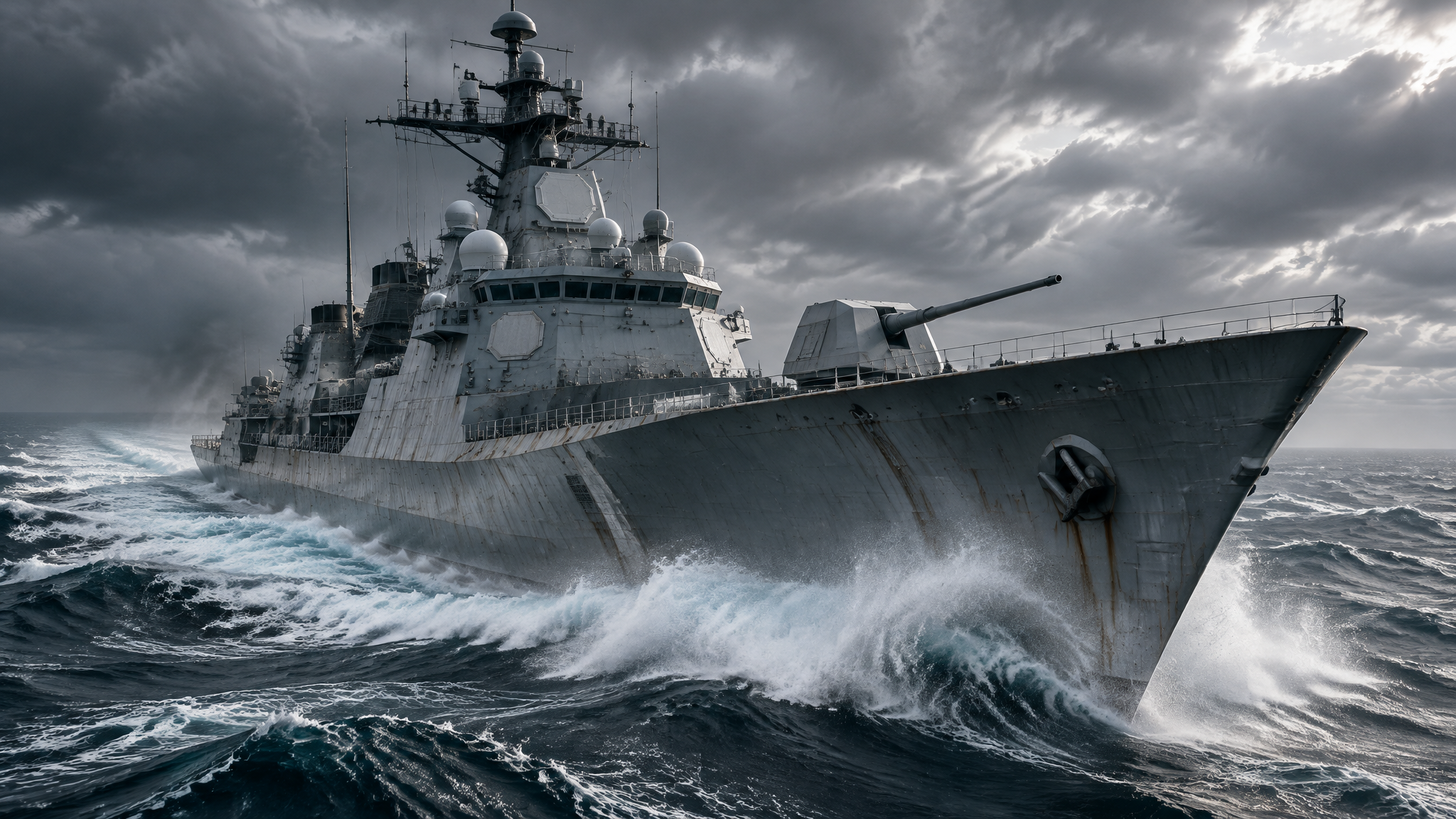
The ocean has always been a battleground where the fate of empires was decided. For centuries, engineers have created true steel monsters capable of death and destruction.
These five ships left an indelible mark on history, changing the perception of naval power.
British Super hull HMS War spite
HMS Warspite was one of five Queen Elizabeth-class battleships launched in 1913. The British Royal Navy considered him to be the pinnacle of engineering thought at the time.
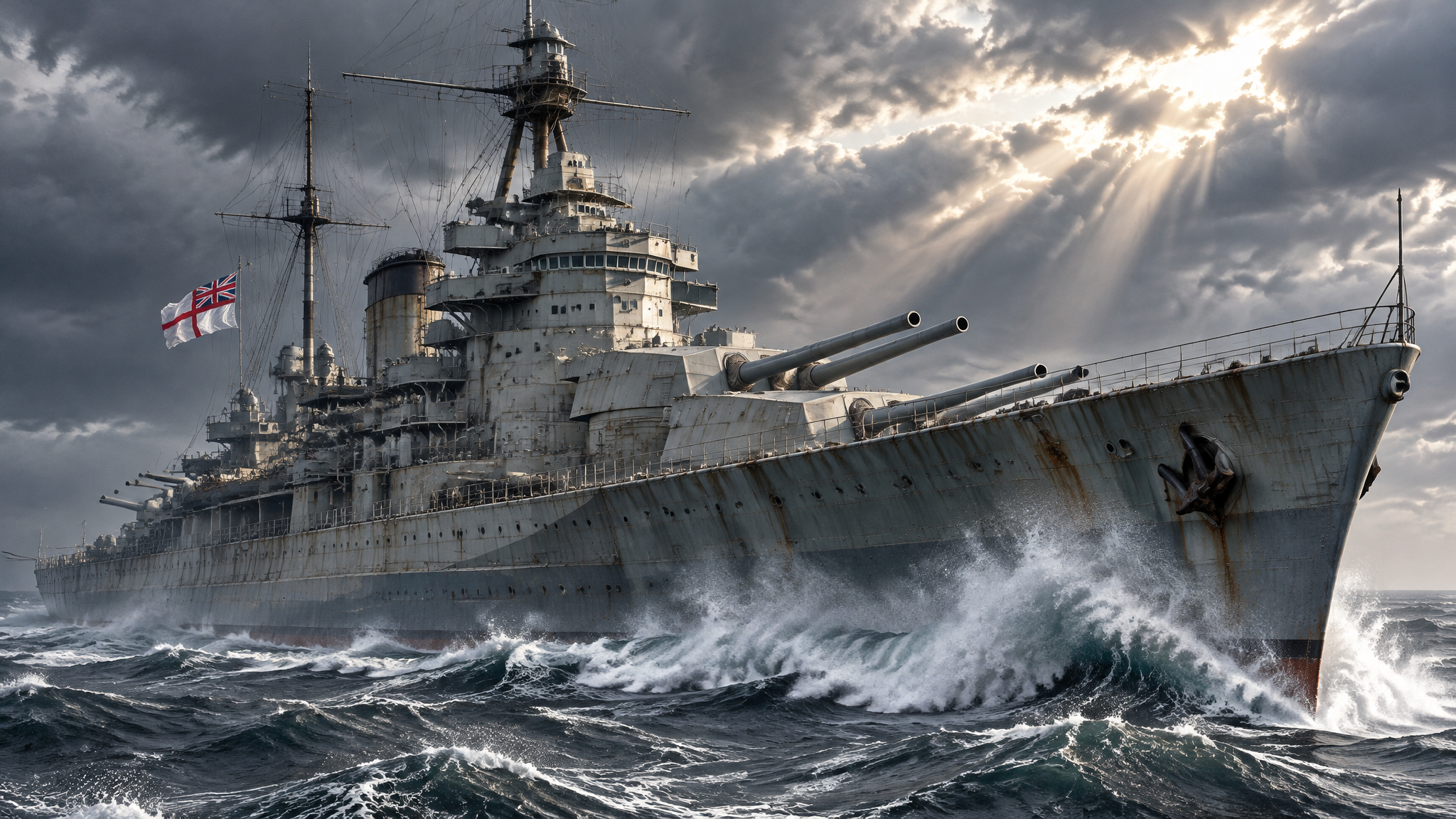
Queen Elizabeth-style battleships were revolutionary. These were the first fast-acting lenses capable of speeds up to 24 knots, and the world’s first ships equipped with 381 mm (15-inch) main caliber guns. Ships of the class became the first in the history of the military fleet to use oil as its only fuel.
Launched into the water in 1913, "Old Lady" (as she was affectionately called by sailors) participated in the largest naval battle of the First World - the Jutland Battle (31 May 1916). During the battle, Warspite got a rudder and began to describe the gyration right in front of the German fleet, receiving 15 hits from heavy projectiles. Despite the severe injuries, she survived.
During World War II, Warspite was featured in the Norwegian campaign and the Mediterranean. In the battle of Calabria (9 July 1940), a British battleship made history by making one of the most distant strikes from main caliber cannons on a moving target in history - it struck the Italian battleship Giulio Cesare at a distance of about 24 km.
Warspite ended her career with more combat awards than any other ship in the Royal Navy. The ship was sold for salvage in 1947 and stranded on its way to the shipwreck site, where it resisted rescue efforts for several years.
German battleship Bismarck
The German battleship Bismarck, launched in 1939 with a displacement of over 50,000 tons, was at the time of its creation the largest warship in the world, surpassing any British counterpart in size. It was equipped with eight 380 mm guns and had an armored belt up to 320 mm thick. It was built to support British convoys in the Atlantic.
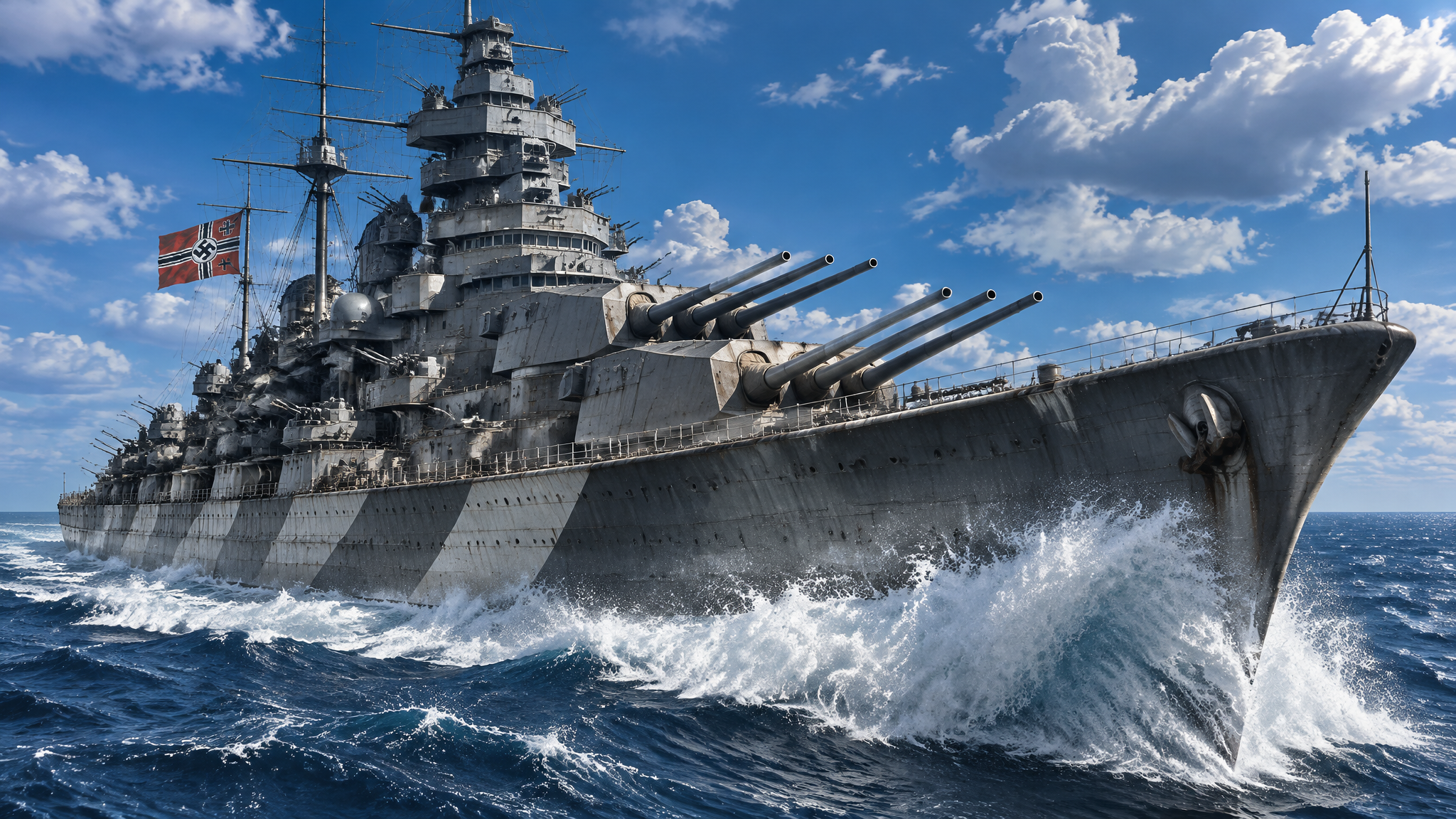
The hunter of a cruiser (cruiser). His speed (30 knots) allowed him to escape from old British battleships and catch up with convoys. The lifetimes were phenomenal - the reservation and separation into compartments made "Bismarck" a true floating tank.
The career "Bismarck" lasted only 8 months, but became legendary. On 24 May 1941 in the Danish Strait, a German shell landed on the British battleship Hood. The Hood tank detonated, and the ship broke in half, killing 1,415 sailors. The British were furious.
Prime Minister Churchill ordered, "Sink Bismarck!" All available forces joined in the chase. In the final battle on 27 May 1941, Bismarck, whose runways were damaged by torpedo boats, received more than 400 direct hits. British ships fired nearly 3,000 shells at it, but the giant did not drown. It had to be torpedoed and opened with a Kingston to sink.
Yamato, the Japanese Supernumerary
The Japanese battleship Yamato, built in secret from around the world and launched into water in 1940, still remains the largest and most heavily armed battleship in history. Its total volume was almost 73,000 tons. Such monstrous power came at a huge cost - the battleship cost Japan 137.8 million yen (about 280 billion in the modern equivalent).
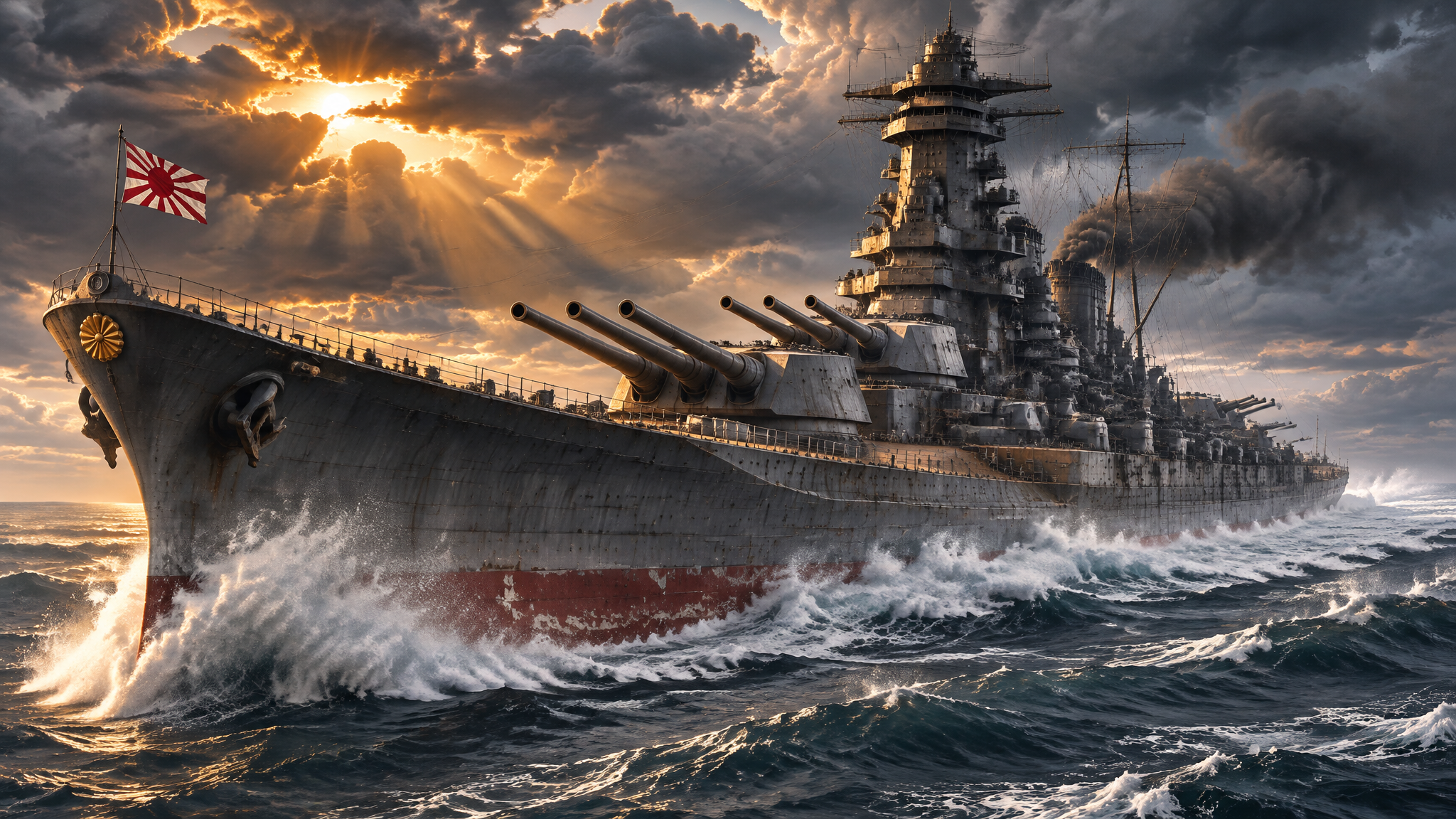
The main caliber is nine guns measuring 460 mm (18.1 in). This is the largest gun ever installed on a ship in history. The weight of a single projectile reached one and a half tons, and the firing range was 42 km. Armoring was almost impenetrable for U.S. shells.
Despite its power, Yamato was used very inefficiently and the Japanese kept their superlinkar for the "General Battle." However, the era of the Battleships ended and dominance shifted to aviation.
In April 1945, Yamato was sent on a suicide mission to Okinawa without air cover. On 7 April, 386 U.S. deck aircraft attacked the Armada. Yamato was hit by 10 torpedoes and 7 bombs. When the fire reached the artillery cellars, the explosion was so powerful that it resembled a nuclear one. Lincoln sank in two hours, killing 2,498 of the 2,700 crew members.
Think about it. Maybe you know more super ships
Found an error? Request a correction · Our corrections policy


