







Top-Top Info Worldwide is a popular online newsportal and going source for technical and digital content for its influential audience around the globe.

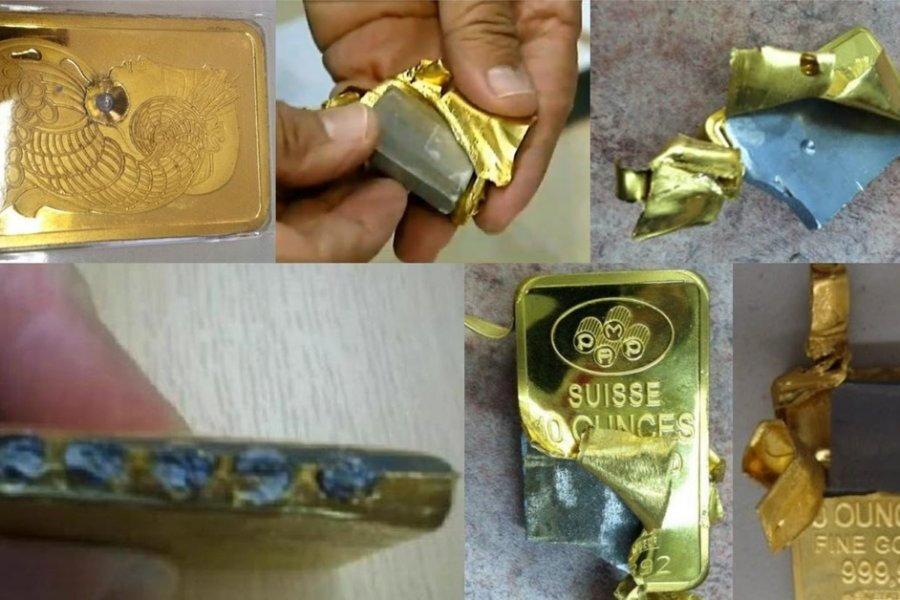
It is a symbol of wealth and abundance, power and high social status. Gold is a noble metal, the seventy-ninth element in Mendeleev's periodic table. No bloody drama in the history of mankind is connected with it.
Really - a man named Dan Cooper, aka D.B. Cooper, pulled off one of the most amazing heists of the twentieth century.
Ned Kelly is one of Australia’s most recognizable historical figures: an outlaw in homemade armor, a convicted murderer, a voice of grievance, and a symbol repeatedly reinvented in books, films, paintings, and politics. Calling him “Australia’s Robin Hood” captures his folk-hero reputation but not the violence of his career or the complexity of the evidence.
Kelly’s story matters because it sits at the intersection of policing, class, Irish Australian identity, land settlement, media spectacle, and colonial law. A balanced account can explain why some communities sympathized with him while still recognizing the people his gang robbed, threatened, and killed.
Edward “Ned” Kelly was born in Victoria in the mid-1850s to an Irish immigrant family. The Kellys lived in north-eastern Victoria, where poor selectors often faced debt, difficult land, and conflict with wealthier pastoral interests. Members of the family also had repeated contact with police and the courts. Those conditions shaped Kelly’s worldview, but they do not by themselves explain or excuse his choices.
In 1878 an alleged confrontation at the Kelly home led police to pursue Ned and his brother Dan. Ned, Dan Kelly, Joe Byrne, and Steve Hart retreated into the bush. At Stringybark Creek in October, the gang encountered a police party. Three officers—Michael Kennedy, Thomas Lonigan, and Michael Scanlan—were killed. The Victorian government subsequently declared the gang outlaws, exposing them to capture and severe legal consequences.
The gang robbed banks at Euroa and Jerilderie, controlling towns and taking hostages during the operations. Their ability to evade police depended partly on local geography and assistance or silence among sympathizers. Some small farmers viewed the Kellys through a wider experience of police harassment and unequal opportunity. Others feared them or rejected their violence.
At Jerilderie in 1879, Kelly tried to circulate a long document now known as the Jerilderie Letter. It presents his version of events, attacks the police, describes family grievances, and threatens opponents. The letter is a vital primary source because it preserves Kelly’s political language and self-justification. It is not a neutral record: historians compare its claims with government files, court evidence, newspapers, and testimony.
In June 1880 the gang attempted an ambitious confrontation at Glenrowan. They damaged a railway line, apparently intending to derail a police train, and held people at the Glenrowan Inn. Police learned of the danger before the train reached the break and surrounded the hotel.
The gang wore suits of armor made from plough mouldboards. Each suit was extremely heavy and protected much of the torso and head but left legs exposed. During the gunfight, Byrne, Dan Kelly, and Hart died. Ned emerged in armor, was wounded in the legs, and captured. The armor’s visual power helped transform a failed and dangerous plan into a lasting national image.
Kelly was tried in Melbourne for the murder of Constable Lonigan, convicted, and hanged on 11 November 1880. Debate over the fairness and conduct of the trial has continued, as has debate over capital punishment. The later royal commission into the Victorian police force criticized aspects of police conduct during the outbreak, adding institutional failure to the story without absolving the gang.
Kelly’s reputation has never been stable. Admirers see resistance to abusive authority, loyalty to family, and a rough egalitarian politics. Critics emphasize murder, intimidation, robbery, and the risk to hostages and rail passengers. Artists and writers have turned his helmet into a flexible symbol of rebellion, national identity, masculinity, and alienation.
Start with competing primary sources. Kelly’s letter shows how he wanted to be understood; police and court records show how the state investigated and prosecuted him; objects such as the armor reveal planning and physical realities. None should be read alone.
Ned Kelly was neither a storybook benefactor nor merely a costume. He was a historical actor shaped by genuine inequality who also made violent decisions with irreversible consequences. The enduring argument over him says as much about Australia’s changing ideas of authority and fairness as it does about the man beneath the helmet.
Sources: National Museum of Australia: Jerilderie Letter; National Museum of Australia: Bushrangers; Public Record Office Victoria: Kelly Collection; State Library Victoria: Ned Kelly.
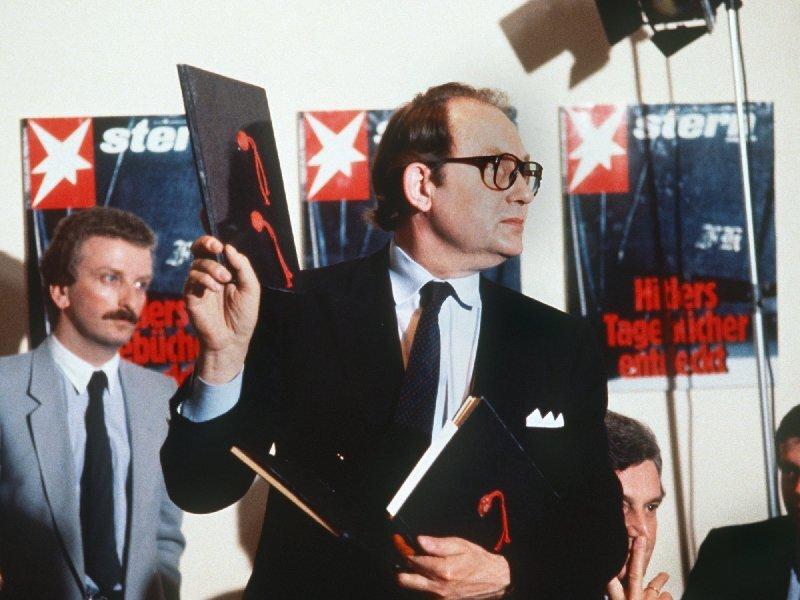
German Konrad Kujau has always felt out of place in his era. He was born in 1938, so he did not catch Hitler's rise to power, and the war was remembered by the fact that he lost his parents in the bombing of Dresden and ended up in an orphanage for 6 years. However, the Führer's fiery speeches on the radio and torchlight processions made a deep impression on little Konrad. In his youth, Kujau admired Hitler and wished he had been born earlier. He invented a false biography and always added a few years to his life, thus getting closer to his favorite era.
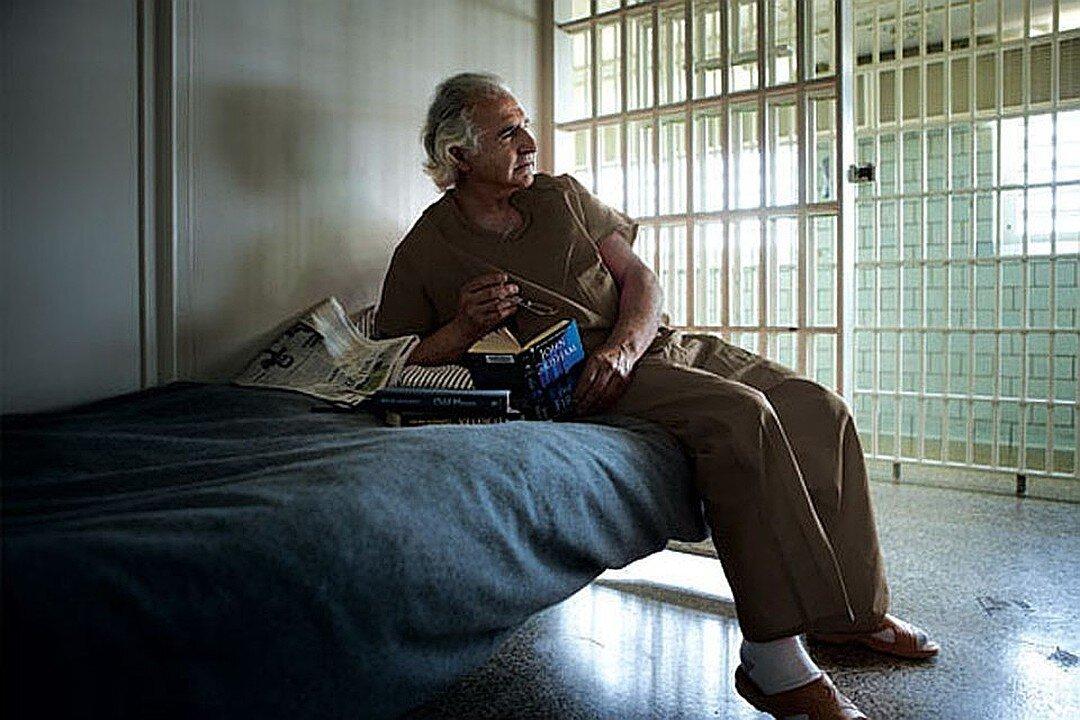
Bernie Madoff is an American financier who realized the largest financial pyramid scheme in history. For 40 years of work his company deceived about 3 million people, both very wealthy people and the middle class. The total amount of financial losses of defrauded depositors amounted to $64.8 billion. What is most surprising is that not a single member of Madoff's family knew about this scam.
Top-Top Info Worldwide is a popular online newsportal and going source for technical and digital content for its influential audience around the globe.